
Support for Green Spaces

Support for Green Spaces: A beautifully maintained urban garden showcasing the value of green spaces in modern city environments.
Support for Green Spaces: Why We Should Support Green Spaces 🌱
Support for Green Spaces—such as parks, community gardens, roadside verges, and tree- and grass-planting projects—is essential for a healthier environment, stronger communities, and better quality of life. In cities like Manchester, where urban development is rapid, these green oases provide vital benefits that touch every aspect of daily life.
Support for Green Spaces tackle key environmental issues in cities. They cool urban areas by providing shade and through natural processes, often making them several degrees cooler than built-up zones. This lowers the need for air conditioning during heatwaves. Plants clean the air by absorbing pollutants and carbon dioxide. They also soak up rainwater to reduce flooding and create habitats that support local wildlife and biodiversity.
Support for Green Spaces deliver important health benefits for residents. Time in nature reduces stress, anxiety, and symptoms of depression. Parks encourage physical exercise such as walking or sports, helping to prevent obesity and heart disease. Community gardens allow people to grow fresh food, enjoy therapeutic activity, and learn about healthy eating and the environment. These benefits matter most in busy urban neighbourhoods.
These spaces also strengthen communities and social ties. They provide welcoming places for neighbours to gather, relax, and take part in events, helping to reduce isolation. Volunteer work in green spaces brings people together across backgrounds. In Greater Manchester, the Green Spaces Fund has backed more than 100 community projects, including orchards and gardens in areas of need. Such initiatives build skills, pride, and stronger local connections.
Everyone can Support for Green Spaces in simple ways. Take part in tree-planting days, volunteer with park or garden groups, or back local funding for more green areas. These efforts help create healthier, more resilient, and vibrant cities like Manchester for people today and for future generations.
Environmental Benefits of Urban Green Spaces: Air Quality, Cooling & Resilience 🌱
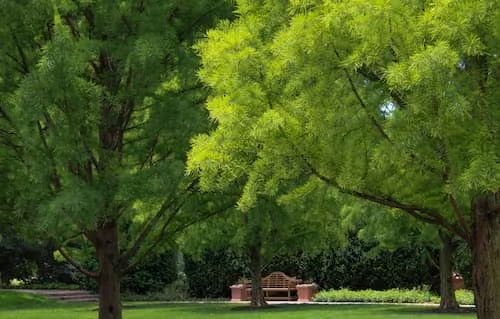
Urban parks like this purify air, cool cities through shade and evapotranspiration, and strengthen climate resilience.
Green spaces act as natural lungs for our cities. Support for Green Spaces helps trees, grass, and plants absorb carbon dioxide and air pollutants while releasing oxygen, improving air quality and helping combat climate change through local carbon storage in soils and vegetation.
They also play a key role in cooling urban areas. Without greenery, cities experience the urban heat island effect, where built-up areas can be 5–10°C hotter than surrounding rural zones during summer. Parks, street trees, and gardens reduce this through shade and evapotranspiration. Support for Green Spaces is especially important as heatwaves become more frequent with climate change.
Green spaces enhance urban resilience by managing stormwater. Their roots and soil absorb excess rainwater, cutting surface runoff and lowering flood risk during heavy storms. This natural system protects homes, roads, and drainage networks when intense rainfall occurs.
Urban greenery also boosts biodiversity and long-term resilience. It creates habitats for birds, insects, and pollinators that support healthy ecosystems. Stronger natural systems help cities adapt to climate stresses and create a more sustainable environment for everyone through Support for Green Spaces.
Urban Flood Mitigation: How Green Spaces Reduce Flooding & Protect Soil 🌧️
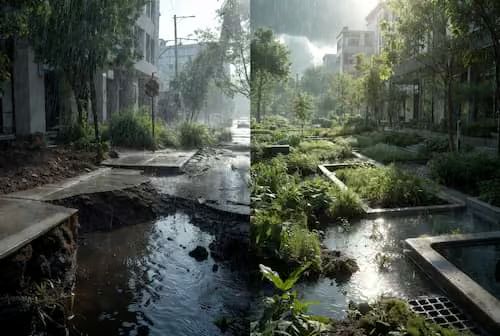
Left: Traditional concrete causes flooding and soil erosion.
Right: Green infrastructure absorbs stormwater, stops flooding, and protects soil.
Grass and trees act as natural sponges in urban environments. Support for Green Spaces means they reduce soil erosion by holding the ground together with their roots. At the same time, they absorb large amounts of rainwater and allow it to soak slowly into the soil instead of rushing over hard surfaces like concrete and roads. This process greatly lowers the risk of surface flooding.
In cities like Manchester, where heavy rainfall is frequent, well-designed parks and green corridors play a vital role in Support for Green Spaces. They ease the pressure on traditional drainage systems by capturing and storing stormwater naturally. This reduces the chance of flash floods and protects homes and infrastructure during intense downpours.
By creating more green spaces, we build stronger climate-resilient neighbourhoods. Permeable green areas manage stormwater effectively while also cooling streets through shade and plant processes. These combined benefits make urban areas safer and more comfortable even as weather patterns become more extreme.
Support for Green Spaces today delivers lasting advantages for current residents and future generations. Healthier soils, lower flood risks, and more liveable streets create sustainable cities that can adapt to climate change and provide a better quality of life for everyone.
Urban Wildlife Homes: Green Spaces Boosting Biodiversity & Pollinators in Manchester 🌱
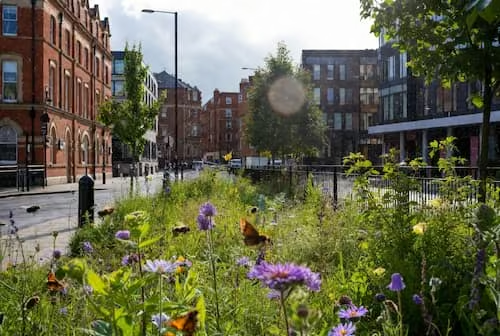
This vibrant Manchester rain garden provides essential homes for bees, butterflies and pollinators while enriching urban biodiversity.
Support for Green Spaces also supports biodiversity. They provide habitats for birds, insects, and small animals, helping maintain balanced ecosystems. Community gardens and parks often become safe spaces for pollinators like bees and butterflies, which are essential for food production.
Community gardens and wildflower patches in parks create safe havens that help reverse declines in local wildlife. This is powerful Support for Green Spaces biodiversity support project. In this way, Support for Green Spaces means not only do we live close to nature in a good environment, but our future generations will also enjoy a love nature.
Stronger Communities & Economic Value: Green Spaces Benefits in Manchester 🌿
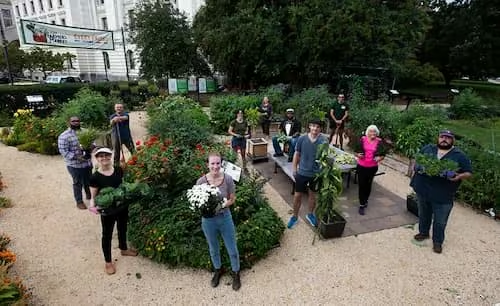
A diverse group of volunteers proudly holding plants in a thriving Manchester community garden. Urban green spaces bring people together, strengthen community bonds, and deliver real economic benefits through local pride and improved environments.
Parks and gardens serve as “third places” where people connect across ages and backgrounds—think family picnics, outdoor classes, community events, or simply chatting on a bench. Support for Green Spaces builds social ties, reduce loneliness, and create inclusive spaces for everyone.
Economically, well-maintained Support for Green Spaces boost nearby property values, attract visitors, and lower long-term healthcare costs by fostering healthier populations. For local authorities, Support for Green Spaces is a smart, cost-effective way to enhance quality of life.
Educate Others for a Healthy Environment 🌱
Educating people is one of the most powerful ways to protect our planet. Teaching friends, family, and children why grass and ground cover are important helps everyone take simple actions at home to support nature and create greener cities, villages, and towns.
Form Volunteer Teams to Raise Awareness 🌱
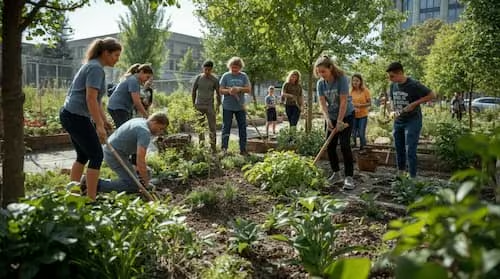
Young volunteers dig in and form teams to raise awareness through hands-on care of urban green spaces.
We should form teams of volunteers who go door to door to raise awareness about the importance of grass, ground cover, and a healthy environment through Support for Green Spaces. These teams can speak directly with families, answer questions, and share easy-to-understand information about how green spaces help prevent soil erosion, reduce heat, support wildlife, and improve air quality.
Volunteers can also explain simple actions families can take at home—such as planting grass or native plants, reducing pavement, saving water, composting organic waste, and avoiding harmful chemicals. These small, everyday steps may seem simple, but together they make a big difference in protecting nature, strengthening local ecosystems, and creating healthier communities for our planet with Support for Green Spaces.
By participating in these efforts, families and community members become part of a larger movement to protect our environment. Each small action contributes to cleaner air, cooler streets, and more vibrant neighborhoods. When people work together, we can transform our towns, villages, and cities into greener, healthier, and more sustainable places for everyone—today and for generations to come through Support for Green Spaces.
Educating Women – Building Stronger Homes 🌿
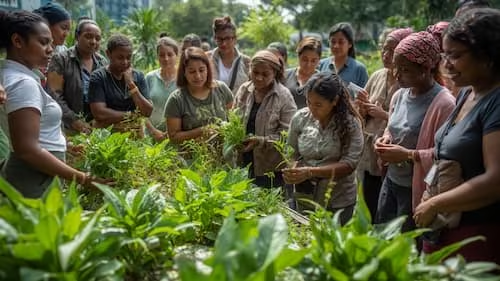
Women gather to learn and plant together, building stronger homes and resilient communities through urban green spaces.
Educating women is especially important because many women are homemakers and spend significant time managing household activities, including cooking, cleaning, gardening, and water use. Their daily choices directly influence energy use, waste management, and the overall environmental footprint of the home.
When women understand the importance of environmental protection, they can make informed decisions that reduce waste, conserve water, plant gardens or greenery, and choose eco-friendly products. Beyond managing the household, women play a vital role in shaping family values and habits. By teaching children about recycling, conserving resources, and caring for nature, women help instill a lifelong respect for the environment.
Empowered with knowledge, women can also influence their communities—organizing local cleanups, promoting tree planting, and encouraging sustainable practices among neighbors. This ripple effect strengthens society, leading to healthier homes, greener communities, and a cleaner environment for future generations.
Children – The Future Guardians of Nature 🌱
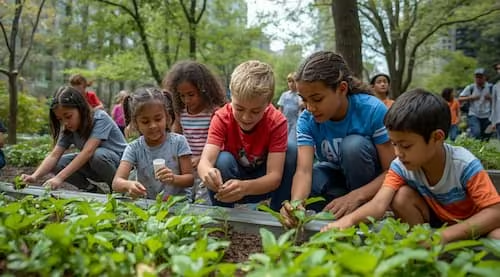
Young children learn by doing — planting and caring for nature as the future guardians of our green spaces.
Children are one of the most powerful ways to spread environmental knowledge. When children learn about nature, they naturally share what they learn with their families, friends, and classmates. Their curiosity and enthusiasm help turn simple lessons into everyday actions at home and in the community.
Teaching children about grass, ground cover, and Support for Green Spaces helps them understand how nature protects the soil, cools the air, supports animals, and keeps neighborhoods healthy. Through hands-on activities like planting grass, watering plants, and observing insects, children develop a strong connection to the natural world with Support for Green Spaces. These experiences make environmental protection meaningful and fun.
When children are taught to care for the environment from a young age, they build lifelong habits of responsibility, respect, and stewardship. As they grow, these values shape their choices and inspire them to become leaders who protect nature. By educating children today, we are nurturing future generations who will care for the planet and help create a greener, healthier world for all with Support for Green Spaces.
Include Environmental Education in Schools 🌍
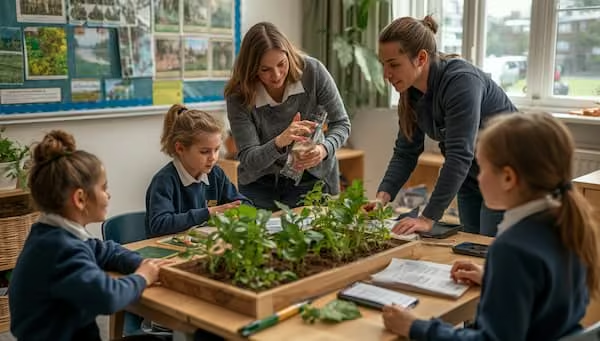
Teachers bring environmental education to life through hands-on planting with young students in the classroom.
Environmental education should be included in school curricula from nursery level through middle school to help children develop a strong connection with nature from an early age. Introducing environmental topics early allows students to understand their role in protecting the planet and encourages curiosity, responsibility, and respect for the natural world.
Schools can offer a dedicated subject or integrate environmental lessons into existing classes. Topics such as grass and ground cover, biodiversity, water conservation, waste reduction, and climate awareness can be taught through age-appropriate activities. Hands-on learning—like planting grass, caring for school gardens, observing insects, and recycling—helps students turn knowledge into action.
By learning simple eco-friendly habits at school, children carry these practices into their homes and communities. This education empowers the next generation to make informed choices, protect local ecosystems, and become future leaders in environmental stewardship. Investing in environmental education today helps create a healthier, greener planet for tomorrow.