
🌱 Leave Some Grass Natural: For Urban Wildlife and Pollinators
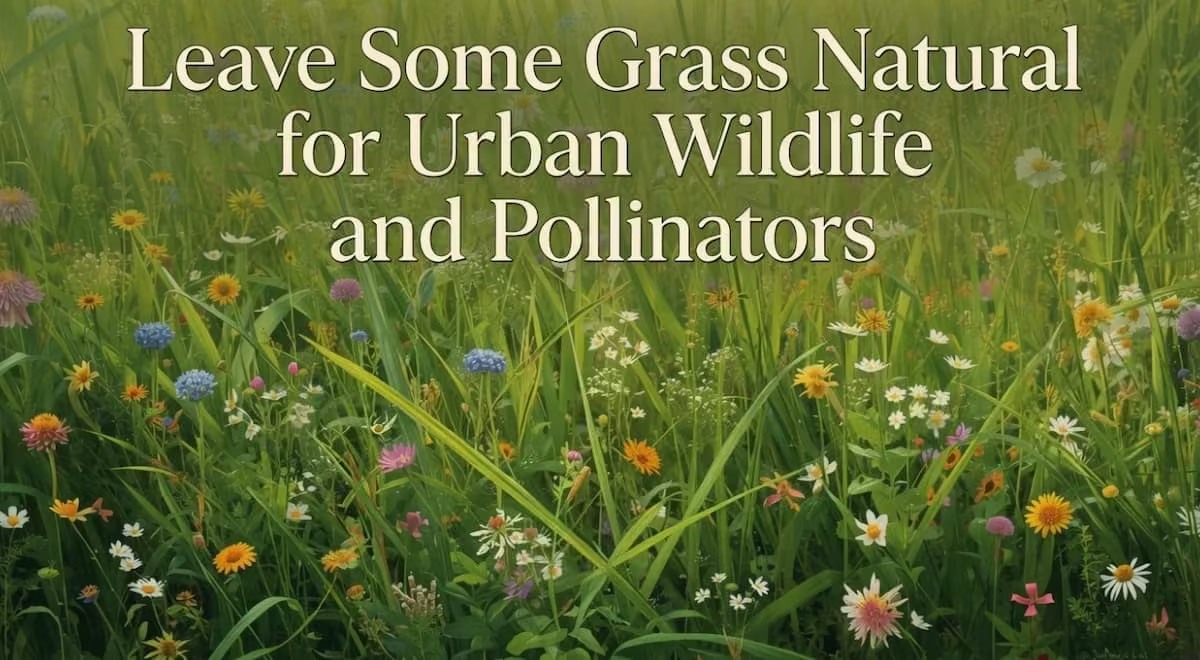
Leave Some Grass Natural for Urban Wildlife and Pollinators is a simple yet powerful idea taking root in bustling cities around the world—from Manchester to New York City, Singapore to Berlin. When we Leave Some Grass Natural, patches of grass are allowed to grow freely, creating vital habitats that support local wildlife, bees, butterflies, and other pollinators while making urban environments greener and more resilient. Choosing to Leave Some Grass Natural for Urban Wildlife and Pollinators encourages flowers and seeds to develop naturally in gardens, allotments, parks, and shared spaces. This approach helps transform ordinary lawns into thriving mini-ecosystems. By deciding to Leave Some Grass Natural, communities can reconnect with nature even in the densest city settings. The practice is gaining popularity because it is easy, cost-free, and highly beneficial for urban biodiversity.
Second Part
🌱Introduction: Leave Some Grass Natural for Urban Wildlife and Pollinators
Leave some grass natural — a healthy green lawn provides essential habitat and food sources for bees, butterflies, birds, and other urban wildlife
When grass grows longer, especially where we Leave Some Grass Natural for Urban Wildlife and Pollinators, it produces flowers and seeds such as dandelions, clover, daisies, and self-heal. These plants provide essential nectar and pollen for bees, butterflies, hoverflies, and beetles. By choosing to Leave Some Grass Natural, we ensure these pollinators have access to food sources, particularly in early spring when resources are limited. The decision to Leave Some Grass Natural supports pollinator survival and strengthens ecosystems. Urban spaces become more vibrant and alive when we consistently Leave Some Grass Natural.
Taller grass, created when we Leave Some Grass Natural, also forms cool and sheltered micro-habitats for insects, soil organisms, and small animals like frogs and hedgehogs. When we Leave Some Grass Natural, the grass shades the soil, helping it retain moisture and protecting it from erosion. This simple act provides safe nesting spots and hiding places for wildlife. Birds are also attracted to these patches as they feed on insects and seeds. By continuing to Leave Some Grass Natural, we help maintain ecological balance even in heavily built-up areas. Roadsides, vacant lots, and parks turn into valuable habitats.
By choosing to Leave Some Grass Natural for Urban Wildlife and Pollinators, we actively boost biodiversity. When communities Leave Some Grass Natural, ecosystems become more resilient to pests, diseases, flooding, and climate change. Studies across Europe and North America show a noticeable rise in bee and butterfly populations. This proves that to Leave Some Grass Natural is essential for sustainable urban living.
Additionally, when we Leave Some Grass Natural, we reduce fuel use, noise pollution, and chemical treatments, while improving soil health and storing carbon. Movements like No Mow May highlight these benefits. You do not need to stop mowing completely — even small efforts such as leaving corners, edges, or strips untouched can make a difference. By deciding to Leave Some Grass Natural, you join a growing global effort to protect nature in urban areas and enjoy the return of wildlife. 🌱🐝
🌿 Small patches like these make a big difference for bees, butterflies, and nature! 🐝
🌷 Leave Some Grass Natural: Urban Lawn with Colorful Wildflowers & Pollinators
Let’s talk with photos—because these uplifting scenes truly speak for themselves. A simple garden or front yard where people choose to Leave Some Grass Natural quickly transforms into a vibrant, living space filled with color and movement. When homeowners and communities Leave Some Grass Natural, patches of grass begin to bloom with cheerful daisies, bright dandelions, and soft clover, creating a welcoming habitat for pollinators. You can often see bees busily foraging, butterflies fluttering between flowers, and hoverflies hovering gently above the blooms. By deciding to Leave Some Grass Natural, even the smallest urban spaces can become essential feeding grounds. These early flowers—dandelions, clover, daisies, and self-heal—are especially important in spring when food is limited. Choosing to Leave Some Grass Natural helps sustain pollinators, supports biodiversity, and brings beauty, life, and ecological balance back into our everyday city environments.
🦋 Why not try it in your own garden? Small unmowed corners make a big difference for nature! 🌱
🌿 How to Plant Grass in Bare or Damaged Soil: 🌹 Step 🌹 by 🌹 Step 🌹 Guide 🌿
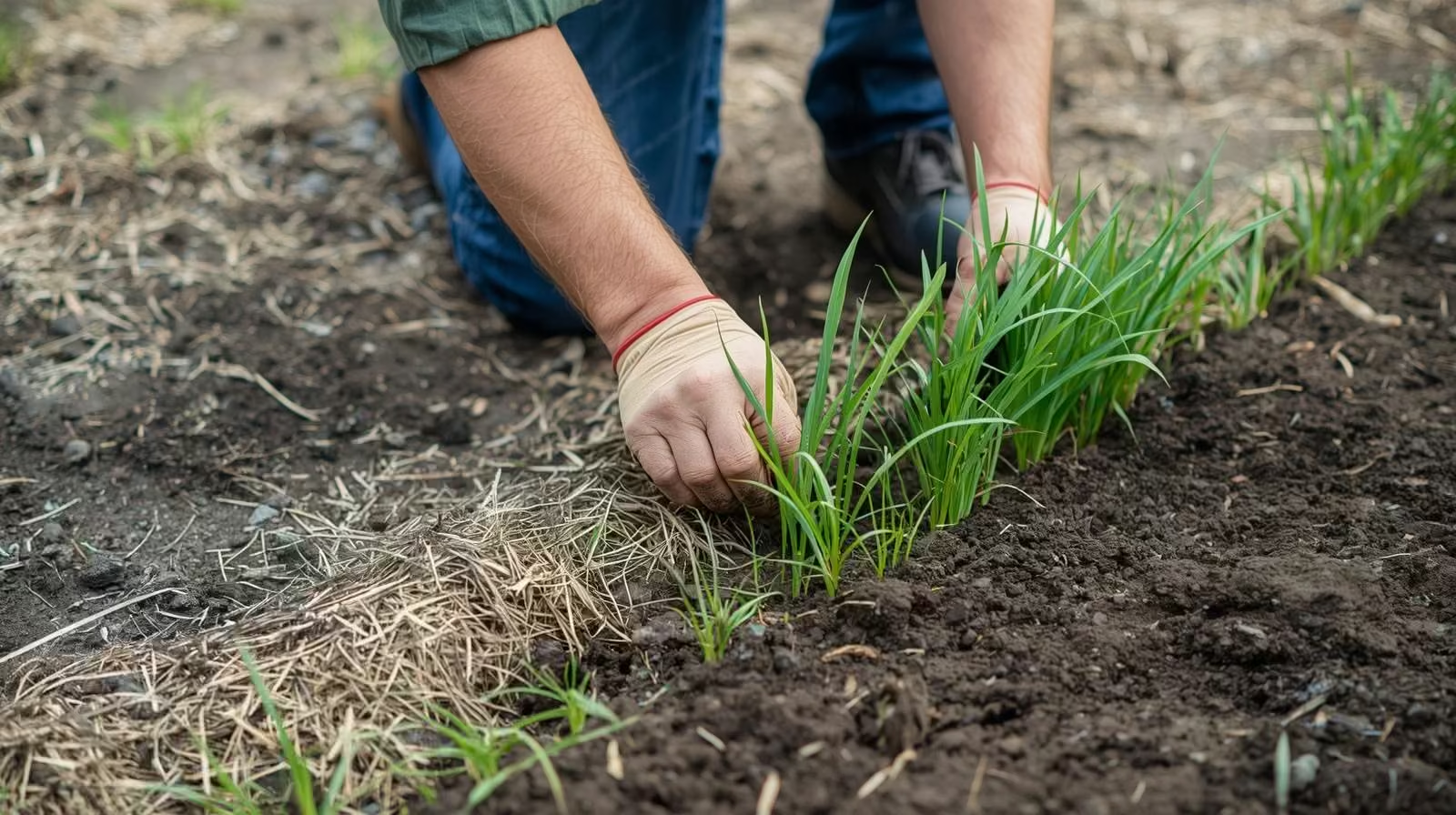
Restoring bare or damaged soil with grass is straightforward and rewarding, but long-term success depends on careful preparation, the right materials, and consistent aftercare. Whether you’re repairing a worn lawn, patching garden soil, or improving a neglected area, following a clear step-by-step approach will give you strong, healthy grass coverage. Start by testing soil quality, removing weeds, and choosing grass seed mixes suited to your local climate and conditions. With patience and the right techniques, you can transform dull, exposed soil into a thriving green space that supports both natural beauty and biodiversity. Once established, you can even Leave Some Grass Natural in parts of the restored area to boost pollinators and wildlife.
🌱 Assess and Prepare the Area
Start by clearing all debris, weeds, stones, and dead material from the area. This ensures that new grass seeds won’t compete for nutrients or struggle to establish. Loosen the top 2–4 inches of soil using a rake, garden fork, or cultivator. This step is essential because it improves airflow, water absorption, and root penetration. If the soil is compacted, clay-heavy, or lacking nutrients, mix in compost or quality topsoil to improve structure and fertility. You can also level uneven spots to prevent water pooling. Proper preparation creates the ideal foundation for strong grass growth and helps damaged soil recover faster over time.
🌾 Choose the Right Grass Seed
Selecting the correct grass seed is crucial for long-term success. Consider your local climate, sunlight exposure, and soil condition before choosing. For erosion-prone or difficult areas, certain grass types perform better:
| 🍀 Tall fescue — Deep-rooted, drought-tolerant, excellent for stabilizing soil |
| 🍀 Perennial ryegrass — Fast germination, ideal for quick coverage |
| 🍀 Creeping red fescue — Shade-tolerant and great for low-maintenance areas |
| 🍀 Switchgrass or buffalograss — Native or warm-season options for sustainability and biodiversity |
| 🍀 Seed mixes — Look for blends labeled “repair,” “erosion control,” or “bare spot” |
Using a mix of seeds often provides better resilience, as different grasses establish at different rates and conditions.
🌼 Seed the Area
Spread the grass seed evenly across the prepared soil. Follow the recommended seeding rate on the packaging, typically around 5–10 g/m² for patch repairs. For even distribution, sow half the seeds in one direction and the rest in a crisscross pattern. Lightly rake the seeds into the soil so they are covered by about 1/4 inch—this protects them while still allowing sunlight to reach them for germination. Avoid burying seeds too deeply, as this can prevent them from sprouting. Press the soil gently or use a roller to ensure good seed-to-soil contact, which improves germination success.
🍂 Protect and Mulch
After seeding, cover the area with a thin layer of mulch such as straw, peat moss, or a biodegradable erosion control blanket. This helps retain moisture, prevents seeds from being blown away or eaten by birds, and reduces the risk of washout during heavy rain. Mulching also stabilizes soil temperature, creating a more favorable environment for germination. Be careful not to apply mulch too thickly, as seeds still need light and air. In sloped or exposed areas, this step is especially important for keeping everything in place.

💧 Water and Maintain
Watering is critical during the early stages. Keep the soil consistently moist—but not waterlogged—by watering lightly once or twice a day for the first 2–3 weeks. As seeds begin to germinate and grass reaches about 2–3 inches in height, gradually reduce watering frequency while increasing the depth of watering to encourage deeper root growth. Begin mowing once the grass is established, but keep the mower height higher to avoid stressing young plants. Avoid heavy foot traffic until the grass is fully rooted. Adding a light fertilizer after a few weeks can further support growth and color.
🌿 Growth Timeline and Long-Term Benefits
With proper care, you can expect to see initial sprouts within 7–21 days, depending on the grass type and weather conditions. Within 4–8 weeks, the area should develop into a thicker, more even lawn. Over time, healthy grass not only improves the appearance of your space but also prevents soil erosion, enhances water retention, and supports beneficial organisms in the soil. Restoring grass in damaged areas also contributes to better air quality, cooler surroundings, and increased biodiversity, making it a valuable step toward a healthier environment overall.