
✋ Stop Throwing Away Free Fertiliser — Your Lawn Deserves Better!
Stop Throwing Away Free Fertiliser. Grass clippings are pure gold for your lawn and garden. They are packed with nutrients and far too valuable to bag up and send to landfill. Instead of treating them as waste, you can harness them through two powerful, free practices: grasscycling and composting grass clippings. Both methods return essential nitrogen and organic matter straight back to the soil.
Fresh grass clippings act as a slow-release natural fertiliser. They break down quickly and feed your lawn without any synthetic chemicals. This simple change saves money, reduces waste, cuts greenhouse gas emissions, and creates a thicker, greener, more resilient lawn that thrives in Manchester’s wet-then-dry weather. Stop Throwing Away Free Fertiliser.
Many homeowners in the UK still bag their clippings out of habit. Yet research and real-world results show that leaving them behind or composting them delivers better results for both the lawn and the wider environment. Stop Throwing Away Free Fertiliser.
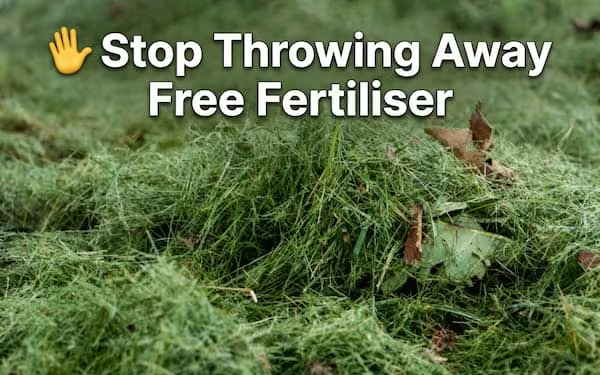
Stop throwing away free fertiliser! Fresh grass clippings = natural garden gold.
Reference from Quran
“O Children of Adam! Dress properly whenever you are at worship. Eat and drink, but do not waste. Surely He doesn’t like the wasteful.”
Surah Al-A’raf (7:31)
Stop Throwing Away Free Fertiliser: Free Natural Fertiliser from Grass Clippings for a Healthier Lawn
Stop Throwing Away Free Fertiliser. Grasscycling means leaving the finely chopped clippings right on the lawn after mowing. They settle between the grass blades and work like a natural mulch. As they decompose, they release nitrogen, phosphorus, and potassium directly into the soil.
Grass clippings contain approximately 4% nitrogen along with valuable phosphorus and potassium. Returning them can supply 20–50% of your lawn’s annual fertiliser needs. Stop Throwing Away Free Fertiliser. Many gardeners cut their purchased fertiliser use by 25% or more.
The clippings also retain soil moisture by reducing evaporation. They moderate soil temperature during hot spells and feed beneficial microbes and earthworms. Over time, they improve soil structure and create a living, self-sustaining lawn ecosystem.
Earthworms thrive in grasscycling lawns because the organic matter provides a constant food source. Their activity further aerates the soil and improves drainage naturally.
Best of all, grasscycling does not cause thatch buildup. Studies confirm that regular grasscycling actually improves overall lawn health without the problems many people fear. Stop Throwing Away Free Fertiliser.
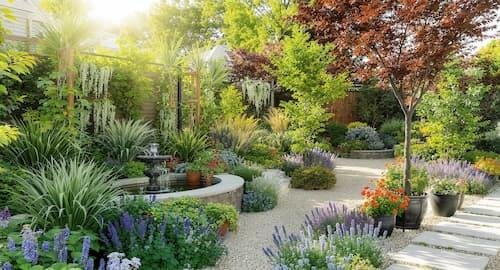
🌿 Grasscycling = Free Fertiliser!
Leave your grass clippings on the lawn and enjoy a healthier, greener garden.
Zero waste. Zero cost. Maximum results.
#Grasscycling #FreeFertiliser #HealthierLawn #SustainableGardening
Stop Throwing Away Free Fertiliser: How to Grasscycle Successfully – Step-by-Step Guide for UK Lawns
Successful grasscycling starts with proper mowing habits. Stop Throwing Away Free Fertiliser. Mow frequently, ideally once a week during peak growth in spring and summer. Never remove more than one-third of the grass blade height in a single cut. This keeps clippings short and fine so they disappear quickly into the lawn.
Use a sharp mower blade or switch to a mulching mower for even better results. Stop Throwing Away Free Fertiliser. Sharp blades cut cleanly and produce tiny clippings that filter down fast. Dull blades tear the grass and create clumps that sit on top and look untidy.
In Manchester’s climate, where grass grows vigorously during wet spring and early summer periods, frequent mowing is easy and highly effective. During drier summer spells, the moisture-retaining clippings help your lawn stay greener with less watering. Stop Throwing Away Free Fertiliser.
Water less often but more deeply when you do water. The mulch layer from grasscycling keeps roots cooler and reduces stress. Your lawn becomes stronger and more drought-tolerant over just one or two seasons. Stop Throwing Away Free Fertiliser.
Always mow when the grass is dry. Wet clippings clump together more easily and take longer to break down. Morning or late afternoon mowing usually works best in UK conditions.
See the Real Transformation: Before and After Grasscycling
Lawns that switch to grasscycling often look patchy or thin at first. Stop Throwing Away Free Fertiliser Within a few weeks of regular mowing with clippings left in place, the change becomes visible. The grass fills in, colour deepens, and bare spots start to disappear.
After one full season, most gardeners notice thicker growth and fewer weeds. Stop Throwing Away Free Fertiliser By the second and third seasons, the lawn feels softer underfoot and bounces back faster after dry periods or heavy use. The soil becomes darker and richer because organic matter is constantly being added.
The key is consistency. Mow often, keep blades sharp, and never let the grass get too long before cutting. Fine clippings break down in days to a couple of weeks and feed the roots below without any clumps or mess. Stop Throwing Away Free Fertiliser
Many Manchester gardeners report that their lawns need less scarifying and aeration after switching to grasscycling because soil health improves naturally.
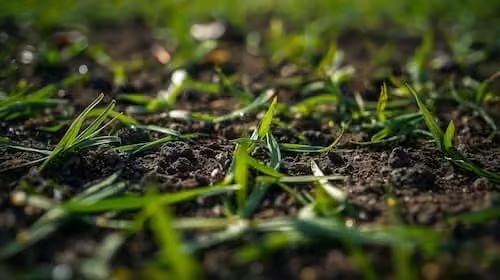
New grass. Healthy soil.
This is grasscycling working up close 🌱
Leave your clippings and watch stronger, greener growth appear. Free natural fertiliser in action.
#Grasscycling #HealthySoil #FreeFertiliser #HealthierLawn
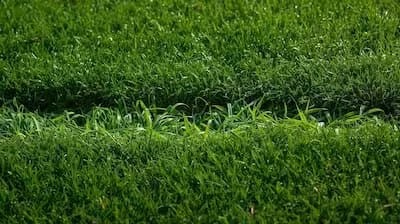
Before vs After Grasscycling 👀
Left: Weak & messy Right: Thick, green & healthy
All from leaving your grass clippings on the lawn!
#Grasscycling #BeforeAndAfter #HealthierLawn #FreeFertiliser
Debunking Common Myths About Grasscycling and Grass Clippings
One widespread myth claims that grasscycling causes thatch. In reality, thatch forms from dead roots and stems that decompose slowly. Short grass clippings break down rapidly and do not contribute to thatch layers. Stop Throwing Away Free Fertiliser.
Another myth suggests clippings will make the lawn look messy. When you follow the one-third rule and mow regularly, the clippings are so fine they vanish within days. Neighbours often cannot even tell you are grasscycling. Stop Throwing Away Free Fertiliser.
Some people worry that clippings spread weeds or disease. Healthy grass clippings from a well-maintained lawn rarely cause problems. Diseased grass should be removed and composted separately or bagged.
You do not need an expensive mulching mower. Any mower works if you remove the collection bag and mow often with sharp blades. Mulching kits simply make the process even more effective. Stop Throwing Away Free Fertiliser.
Finally, many believe grasscycling only suits large lawns. Even small urban gardens in Manchester benefit hugely from the practice, especially during the city’s changeable weather patterns.
Composting Grass Clippings: Turn Waste into Black Gold While Cutting Methane Emissions
Sometimes you have more clippings than your lawn needs, or you want to enrich flower beds and vegetable gardens too. That is when composting grass clippings becomes the perfect solution.
Sending grass clippings to landfill creates a serious environmental problem. In oxygen-free landfill conditions, they produce methane — a greenhouse gas 28–84 times more potent than CO₂ over 20–100 years. Composting at home keeps the process aerobic. It dramatically reduces methane release and turns the clippings into rich, crumbly compost instead.
Home composting also improves soil health across your whole garden. Finished compost increases water-holding capacity, reduces erosion, feeds soil life, and cuts the need for chemical fertilisers. It is one of the most effective actions any homeowner can take for the planet and their plants.
How to Compost Grass Clippings Effectively at Home
Stop Throwing Away Free Fertiliser Mix clippings with “brown” carbon-rich materials in roughly a 1:1 to 1:2 ratio by volume. Excellent browns include dry leaves, shredded cardboard, newspaper, straw, wood chips, or sawdust. Aim for an overall carbon-to-nitrogen ratio around 30:1.
Layer materials thinly instead of dumping thick piles of fresh clippings. Spread a few inches of clippings, then cover with browns. This prevents matting and keeps air flowing through the pile. Stop Throwing Away Free Fertiliser
Keep the compost as damp as a wrung-out sponge. If clippings are very wet, let them dry slightly or add more browns. Turn the pile every one to four weeks to introduce oxygen and speed decomposition. A pile at least 3ft x 3ft x 3ft generates enough heat (ideally 130–160°F) to kill weed seeds and speed the process.
Place your bin or pile in a shaded, accessible spot. Avoid adding clippings from lawns recently treated with herbicides or pesticides. Wait at least two to four weeks, or longer depending on the product used. Stop Throwing Away Free Fertiliser
Troubleshooting Common Composting Grass Clippings Problems
If your pile smells like ammonia or rotten eggs, it needs more browns and more turning. Slimy or matted layers mean you added too much wet grass at once. Break it up, mix in dry browns, and aerate well.
A pile that stays cold and breaks down slowly usually needs more nitrogen (fresh clippings or other greens) or better moisture. A pile that gets too hot is normal in the centre during active composting — just turn it to distribute heat.
With regular turning and proper mixing, you will have dark, crumbly, sweet-smelling compost ready in two to six months. Hot composting with frequent turning produces finished compost fastest.
Using Finished Compost from Grass Clippings in Your Garden and Lawn
Stop Throwing Away Free Fertiliser Spread finished compost as a top dressing on lawns in spring or autumn. It feeds the grass slowly and improves soil structure. Mix it into vegetable beds, flower borders, or new planting holes for an instant boost of fertility and water retention.
Compost acts like a sponge in the soil. It holds moisture during dry Manchester summers and improves drainage during wet periods. Plants establish faster, stay healthier, and need less watering and feeding overall. Stop Throwing Away Free Fertiliser
Earthworms love compost-enriched soil. They aerate the ground, create channels for roots, and further break down organic matter into plant-available nutrients. Your whole garden becomes more vibrant and self-sustaining. Stop Throwing Away Free Fertiliser
Combining Grasscycling and Composting for Year-Round Sustainable Lawn Care
You do not have to choose one method. Many gardeners grasscycle most of the time and compost excess clippings when growth is heavy. This gives the best of both worlds: immediate lawn feeding plus rich compost for the rest of the garden.
In Manchester’s climate, spring and early summer often produce abundant clippings. Grasscycle what you can and compost the surplus. During drier spells, both practices help your lawn and plants hold moisture better. In autumn, lighter grasscycling still works while you build compost heaps for winter.
The result is a beautiful, low-maintenance landscape that costs less to run and gives more back to the environment every season.
Frequently Asked Questions About Grasscycling and Composting Grass Clippings
Will grasscycling make my lawn look messy?
No. When you mow frequently with sharp blades or a mulching mower, clippings are fine and disappear within days. They do not clump or smother the grass.
Does leaving clippings cause thatch?
No. Research shows grasscycling does not increase thatch. The clippings break down quickly and add beneficial organic matter instead.
Can I compost just grass clippings?
Pure grass clippings often go slimy and smelly. Always mix them with brown materials for best results and faster, odour-free composting.
How much fertiliser can I really save?
Many lawns receive 20–50% of their nitrogen needs from returned grass clippings. This often translates to meaningful reductions in bought fertiliser over a season.
Is compost from grass clippings safe for vegetables?
Yes, when the pile reaches proper temperatures and is fully finished. Avoid adding treated grass clippings to edible gardens.
How long does it take to see results?
Grasscycling shows visible improvement within weeks to months. Compost benefits appear as soon as you apply it and build over multiple seasons.
What should I do if my grass gets very long before mowing?
If the grass is too long, bag the first cut or mow twice in quick succession. Then resume normal grasscycling. Long clippings take longer to break down and can shade the lawn.
Can I use fresh grass clippings as mulch around flowers or vegetables?
Yes, but only in thin layers and away from plant stems. Thick layers can mat and rob nitrogen as they break down. It is often better to compost them first for use as mulch.
Start Today and Give Your Lawn the Free Fertiliser It Deserves
Switching to grasscycling and composting grass clippings is one of the simplest, most effective changes you can make. You save money on fertiliser and water, reduce landfill waste and methane emissions, and create a healthier, more resilient lawn and garden.
Your grass clippings are already free, nutrient-rich, and perfectly matched to your soil’s needs. Stop throwing them away. Start grasscycling this weekend and begin composting any excess. Within a single season you will see the difference — thicker grass, richer soil, lower bills, and the satisfaction of turning “waste” into genuine garden treasure.
Your lawn deserves better. Give it the natural care it has been waiting for. Small consistent actions today will reward you with a beautiful, sustainable outdoor space for years to come.