
Discover the Miracle of Zamzam Water: A Timeless Story of Faith, Perseverance, and Divine Mercy

Discover the Miracle of Zamzam Water – A timeless story of faith, perseverance, and divine mercy at the Holy Kaaba
Introduction: Discover the Miracle of Zamzam Water: A Timeless Story of Faith, Perseverance, and Divine Mercy
Discover the Miracle of Zamzam Water: The story of Zamzam water stands as one of the most profound and cherished narratives in Islamic history. It beautifully illustrates unwavering faith, a mother’s boundless love, and Allah’s infinite mercy. This miracle began thousands of years ago in the barren desert valley that would become the holy city of Mecca. It continues to nourish the hearts and bodies of millions of pilgrims today.
Discover the Miracle of Zamzam Water: Zamzam water is far more than a natural spring. It represents divine provision in times of desperation and serves as a living reminder that trust in Allah never fails. Every year, during Hajj and Umrah, pilgrims retrace the footsteps of Hajra (may Allah be pleased with her) in the ritual of Sa’i. They drink this blessed water with heartfelt intentions. The well, located inside Masjid al-Haram just east of the Kaaba, has never run dry despite serving countless generations.
The Divine Command: Prophet Ibrahim’s Test of Faith
Discover the Miracle of Zamzam Water: Prophet Ibrahim (peace be upon him) faced one of the greatest tests of his life when Allah commanded him to leave his wife Hajra (رضي الله عنها) and their infant son Ismail (peace be upon him) in a desolate valley. This empty land, surrounded by the hills of Safa and Marwa, had no people, no vegetation, and no visible source of water. Ibrahim (peace be upon him) carried only a small supply of dates and water as provisions before departing.
Discover the Miracle of Zamzam Water: Hajra (رضي الله عنها) followed him and asked where he was going. He replied that Allah had commanded it. With remarkable faith, she responded, “Then He will not neglect us.” Ibrahim (peace be upon him) left, placing his complete trust in Allah. This act of obedience and sacrifice set the stage for one of the greatest miracles in human history. The story highlights how divine tests often precede profound blessings.
Hajra’s (رضي الله عنها) Courageous Search Between Safa and Marwa
Discover the Miracle of Zamzam Water: As the scorching sun beat down and supplies dwindled, baby Ismail (peace be upon him) grew desperately thirsty. His cries pierced the silent desert valley. Hajra (may Allah be pleased with her), moved by a mother’s fierce love, began her frantic search for water. She climbed the rocky hill of Safa, scanning the horizon for any sign of help or a spring. Seeing nothing, she hurried to the opposite hill of Marwa.
She repeated this journey seven times—running, climbing, and returning to check on her child out of fear that an animal might harm him. Each trip left her more exhausted, yet her determination and trust in Allah grew stronger. This powerful display of perseverance and maternal devotion forms the foundation of the Sa’i ritual performed by pilgrims today. Hajra’s story shows that even in utter isolation, faith provides strength that human effort alone cannot match.
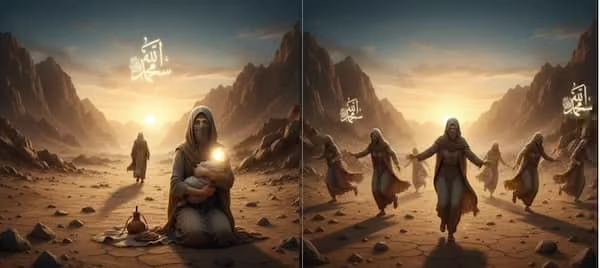
Discover the miracle of Zamzam – Hajar’s perseverance between Safa and Marwa that brought forth the blessed spring
The Miraculous Spring: Water from Beneath Ismail’s Feet
Discover the Miracle of Zamzam Water: After completing her seventh run between Safa and Marwa, Hajra returned to her son. To her astonishment, she discovered clean, clear water bubbling up from the ground beneath Ismail’s tiny feet. According to Islamic tradition, the angel Jibril (peace be upon him) struck the earth with his heel or wing, causing the spring to gush forth as a direct answer to her faith-filled struggle.
Overjoyed and grateful, Hajra gathered the water with her hands, drank some herself, and gave it to her thirsty child. She built a small basin around the spring to contain the precious flow, repeatedly saying words that sounded like “zam zam,” meaning to stop or gather the water. This blessed spring became known forever as Zamzam—a well that has never run dry. The miracle transformed a place of despair into a source of life and blessing for all who would come after.
The Enduring Legacy: Sa’i Ritual in Hajj and Umrah
Discover the Miracle of Zamzam Water: Hajra’s (رضي الله عنها) seven runs between Safa and Marwa later became an integral part of Hajj and Umrah. Every pilgrim who performs these acts of worship retraces her exact footsteps in the ritual called Sa’i. This physical reenactment honors her courage, love, and complete reliance on Allah. It transforms a personal story of survival into a communal act of worship practiced by millions.
After completing Sa’i, pilgrims traditionally drink Zamzam water while facing the Kaaba. They make heartfelt supplications, just as the Prophet Muhammad ﷺ taught. The ritual connects every generation of believers directly to this foundational miracle. It reminds worshippers that perseverance in seeking Allah’s help always leads to divine relief and provision.
Prophetic Hadiths Highlighting Zamzam’s Blessings
Discover the Miracle of Zamzam Water: The Prophet Muhammad ﷺ spoke highly of Zamzam water in numerous authentic hadiths. He said, “The water of Zamzam is for whatever it is drunk for.” This profound statement means that when a believer drinks it with sincere intention—whether for healing, knowledge, provision, or forgiveness—Allah facilitates that outcome through His mercy.
Another narration describes Zamzam as “a blessing, and it is food that satisfies and a cure for the sick.” The Prophet ﷺ advised drinking it while facing the Kaaba, saying Bismillah, taking three breaths, and making specific duas for beneficial knowledge, ample sustenance, and cure from every disease. These traditions elevate Zamzam beyond ordinary water into a means of drawing closer to Allah and seeking His blessings.
Scientific Perspective on Zamzam Water’s Remarkable Composition
Discover the Miracle of Zamzam Water: Modern scientific analyses confirm what believers have known for centuries: Zamzam water possesses a unique and beneficial mineral profile. Studies using advanced techniques like ICP-OES reveal higher concentrations of essential minerals compared to typical drinking water. These include calcium, magnesium, sodium, potassium, bicarbonate, and fluoride, contributing to its alkaline nature and high total dissolved solids.
Importantly, multiple peer-reviewed examinations have found no detectable harmful heavy metals or pathogens when sourced directly from the well. The water maintains consistent quality and safety standards suitable for human consumption. While science explains the nutritional richness, the spiritual dimension—rooted in faith and intention—remains central to its revered status among Muslims worldwide.
Health and Spiritual Benefits Backed by Faith and Science
Discover the Miracle of Zamzam Water: The mineral content of Zamzam water supports hydration, electrolyte balance, and overall wellness in ways that align with its traditional reputation as nourishing and restorative. Some research suggests potential metabolic, antioxidant, and protective properties linked to its balanced composition. Believers, however, primarily experience its benefits through sincere intention and dua when drinking it.
Pilgrims often report feeling refreshed and spiritually uplifted after consuming Zamzam during Hajj or Umrah. The combination of physical nourishment and profound faith creates a holistic sense of well-being. This water serves as both a practical blessing and a powerful reminder of Allah’s care for those who trust in Him completely.
Timeless Lessons from the Story of Zamzam
Discover the Miracle of Zamzam Water: The narrative of Zamzam teaches profound lessons that remain relevant today. It demonstrates that true faith requires action—Hajra did not passively wait but exerted every effort while relying on Allah. Her story exemplifies tawakkul (complete trust in God) paired with perseverance. A mother’s love and determination moved mountains, or in this case, brought forth life-giving water from barren earth.
The miracle also shows that divine help often arrives after the greatest struggle. When hope seemed lost, relief came suddenly and abundantly. These lessons inspire believers facing personal deserts of difficulty—whether health challenges, emotional trials, or spiritual droughts. Zamzam reminds us that Allah’s mercy is always near for those who seek it with sincerity and effort.
Zamzam Water in the Modern Era
Discover the Miracle of Zamzam Water: Today, Zamzam water flows through modern taps and stations inside Masjid al-Haram, serving millions of pilgrims annually. Saudi authorities maintain strict quality controls through dedicated research centers to preserve its purity and abundance. Many pilgrims carry bottles home as cherished gifts, sharing the blessing with family and friends around the world.
The well’s rediscovery centuries ago by Abdul Muttalib, the Prophet’s grandfather, after divine visions further underscores its miraculous continuity. Despite massive consumption, the spring has never failed. This ongoing provision stands as a contemporary miracle visible to all who visit or hear about it.
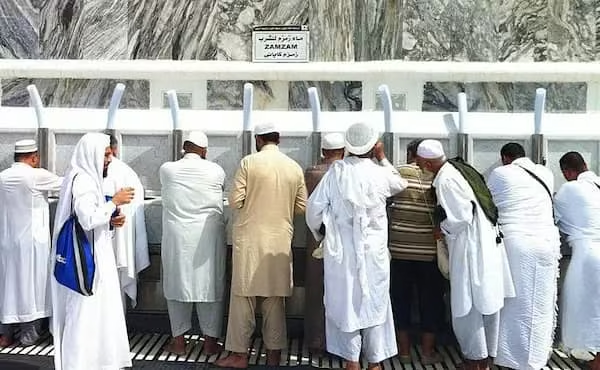
Zamzam Water in the Modern Era – The same blessed water that once saved Hajar and Ismail continues to nourish pilgrims today
Conclusion: A Wellspring of Hope for All Believers
Discover the Miracle of Zamzam Water: The miracle of Zamzam water began with one family’s test of faith and blossomed into an eternal source of physical and spiritual nourishment. From Hajra’s desperate runs to the millions who drink it today with hope and gratitude, the story connects generations through shared trust in Allah’s mercy. It proves that where human effort meets divine will, miracles flow.
May every reader draw inspiration from this timeless tale. Whether facing personal challenges or simply seeking closeness to the Creator, remember that Zamzam’s lesson endures: persevere with faith, make dua with intention, and trust that Allah’s help is never far away. The well that sprang beneath a baby’s feet in the desert continues to quench thirsts and hearts across the ages—a true miracle of faith, perseverance, and divine love.