
3. Oceans and Seas — The Blood and Circulatory System
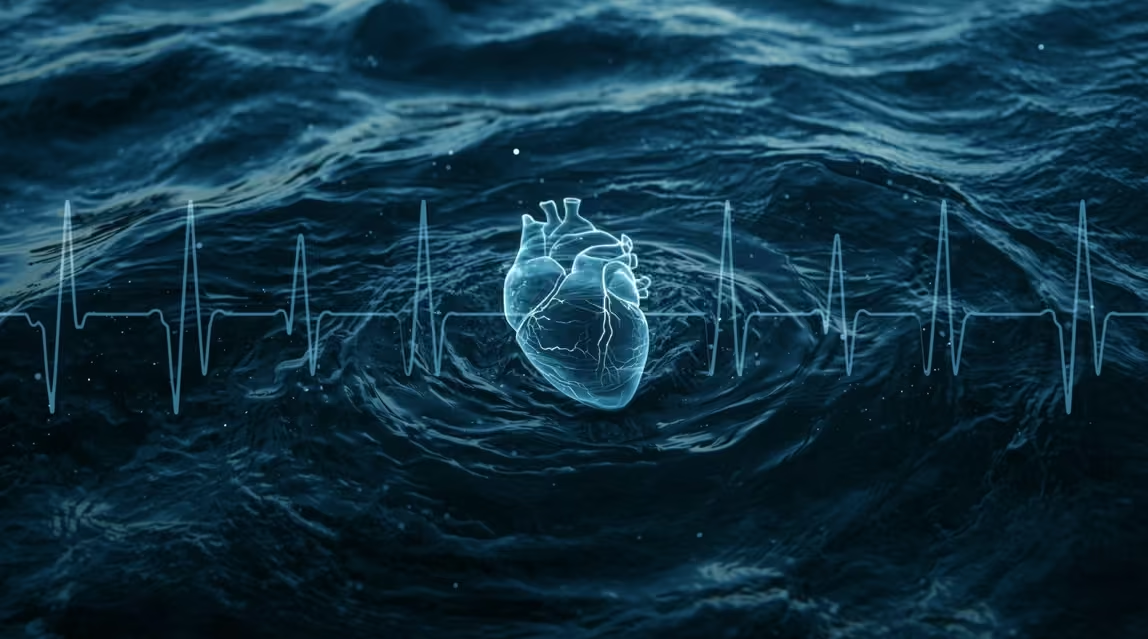
Covering 71% of Earth’s surface, the oceans function like a vast circulatory system — moving energy, nutrients, and life throughout the planetary body. Just as blood sustains every cell in a human body, ocean waters sustain ecosystems, regulate climate, and connect every continent.
Composition parallels:🌊
🐠The similarities between blood and seawater are striking:
▪️Human blood is about 83% water and contains dissolved salts.
▪️Seawater is about 96% water and contains dissolved salts and minerals.
Both are fluid transport systems.
🩸 Blood plasma carries:
▪️Oxygen
▪️Nutrients
▪️Hormones
▪️Waste products
🌊 Ocean water carries:
▪️Dissolved oxygen
▪️Nutrients like nitrogen and phosphorus
▪️Carbon dioxide
▪️Heat energy
In both systems, life depends on proper balance. If salinity shifts too much in the ocean — or if electrolyte balance shifts in blood — the system becomes unstable.
4.Oxygen Production: The Ocean as a Planetary Lung Partner 🫁
While forests are often called Earth’s lungs, marine life plays an even larger role in oxygen production.
Microscopic phytoplankton in the oceans produce a significant portion of Earth’s oxygen through photosynthesis. These tiny drifting organisms — including diatoms, dinoflagellates, and cyanobacteria — live in the sunlit upper layer of the ocean known as the photic zone.
Among them, one of the most important oxygen producers is Prochlorococcus, a photosynthetic marine bacterium discovered in 1986. Though invisible to the naked eye, it is considered one of the most abundant photosynthetic organisms on Earth and plays a major role in global oxygen production.
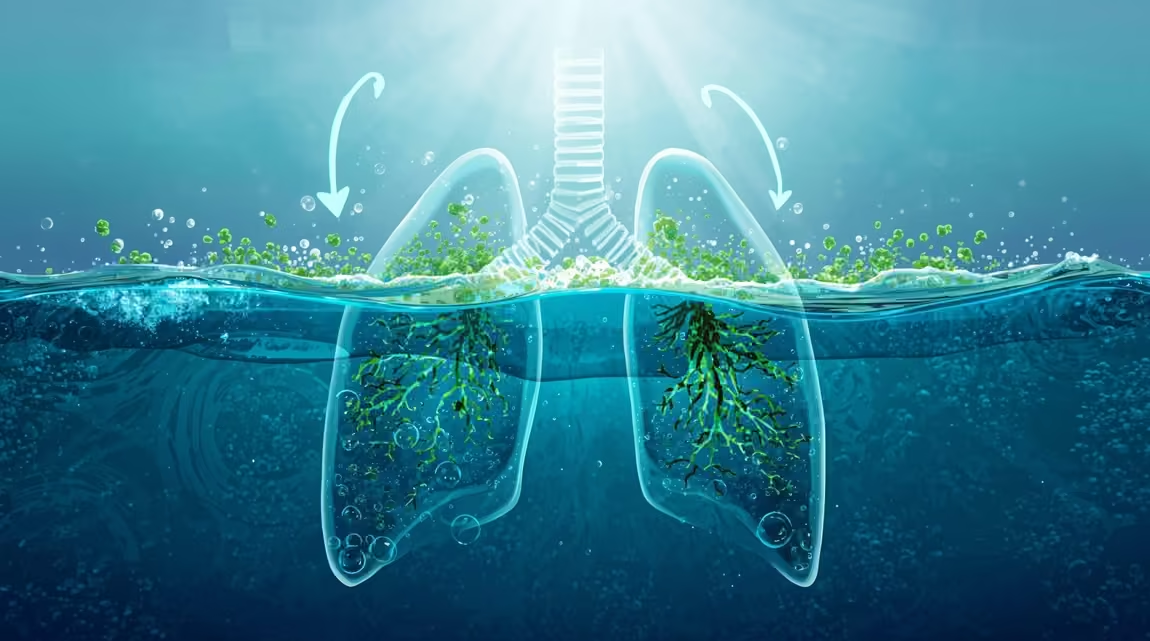
Through photosynthesis, phytoplankton use sunlight, carbon dioxide, and water to produce organic matter and release oxygen as a byproduct:
Carbon dioxide + Water + Sunlight → Glucose + Oxygen
This process not only releases oxygen into the ocean and atmosphere but also removes carbon dioxide, helping regulate Earth’s climate.
These organisms form the base of the marine food web. Every fish, whale, and seabird ultimately depends on the energy first captured by phytoplankton. In this way, they function like the foundational cells of Earth’s respiratory and energy systems.
Just as red blood cells transport oxygen through the human bloodstream, ocean currents distribute oxygen-rich waters throughout marine ecosystems. Oxygen dissolves into surface waters and is carried downward by mixing and circulation, supporting life even in deeper regions.
The ocean and atmosphere are constantly exchanging gases. Oxygen produced at the surface diffuses into the air, contributing significantly to the breathable atmosphere that sustains terrestrial life.
Without oceanic oxygen production:
| ▪️ Atmospheric oxygen levels would decline. |
| ▪️ Marine ecosystems would collapse. |
| ▪️ Complex life on land and in water would not survive. |
| In the framework of Earth as a Living Body, forests may act like lungs inhaling and exhaling gases, but the oceans serve as an even deeper respiratory partner — producing oxygen, regulating carbon dioxide, and sustaining the planet’s metabolic balance. |
| The ocean does not just support life. |
| It helps Earth breathe. |
5. Immune Defense: Marine Microbes as White Blood Cells
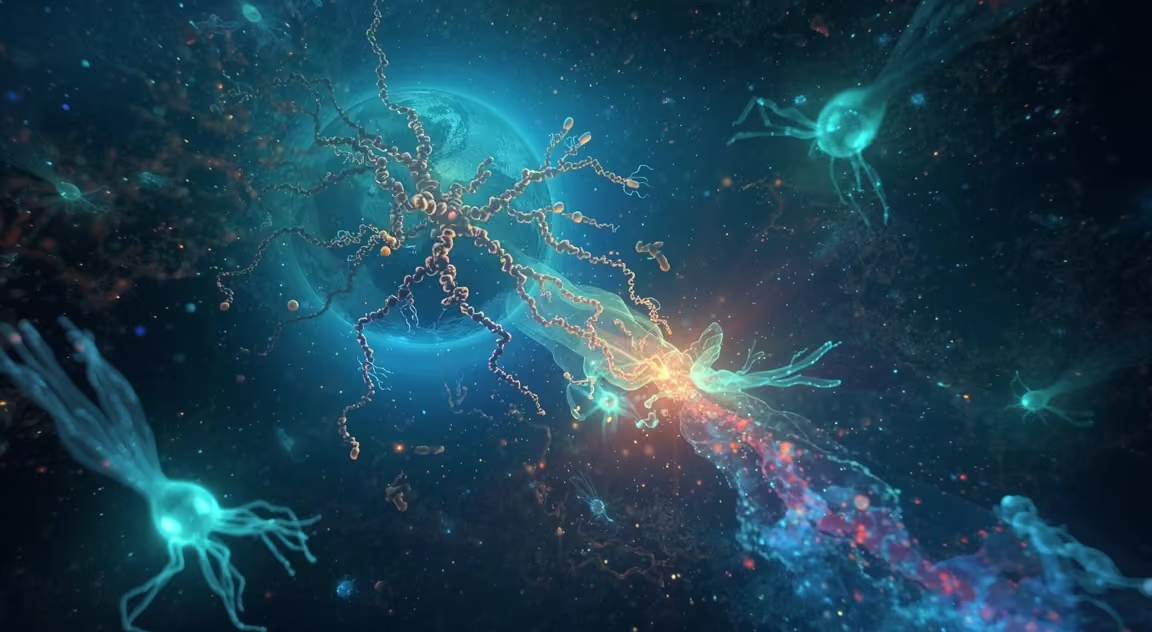
⚔️ In the human body, white blood cells detect and neutralize harmful invaders, digest waste, and help maintain internal balance. In the oceans, an invisible army of microorganisms performs similar functions — regulating chemistry, recycling waste, and responding to threats that could destabilize marine ecosystems.
🌊 Microbes Regulate Ocean Chemistry
Marine microbes — including bacteria, archaea, viruses, and microscopic phytoplankton — form the biochemical foundation of the ocean. Though invisible to the naked eye, they control the transformation and cycling of essential elements such as carbon, nitrogen, sulfur, phosphorus, and iron. In the framework of Earth as a Living Body, these microorganisms function like regulatory cells in the bloodstream, constantly adjusting chemical balances to maintain planetary stability.
One of their most critical roles is in the carbon cycle. Through photosynthesis, phytoplankton absorb carbon dioxide from seawater, converting it into organic carbon while releasing oxygen. When these organisms die or are consumed, some of that carbon sinks to the deep ocean, where it can remain stored for centuries. This process, often called the “biological carbon pump,” helps regulate atmospheric carbon dioxide levels and moderates global climate.
Marine microbes are also central to the nitrogen cycle. Certain bacteria convert atmospheric nitrogen into forms usable by marine plants — a process known as nitrogen fixation. Others transform ammonia into nitrates or return nitrogen gas back to the atmosphere through denitrification. Without these microbial conversions, essential nutrients would become chemically locked and unavailable to sustain life.
In addition, microbes break down dissolved organic matter released by decaying organisms. This decomposition prevents the accumulation of waste and recycles nutrients back into the food web. Some microorganisms can even detoxify harmful compounds, helping prevent chemical imbalances that could damage marine ecosystems.
From sunlit coastal waters to the darkest ocean trenches, microbial communities act as chemical regulators. They maintain equilibrium in much the same way that cells in human blood stabilize pH and nutrient levels. Without these microscopic stewards, ocean chemistry would quickly fall out of balance — and Earth’s living system would struggle to survive.
🧹 Natural Recycling and Waste Breakdown
In any living body, waste must be continuously processed and removed to maintain health. In humans, specialized cells and organs break down dead cells, toxins, and metabolic byproducts to prevent harmful accumulation. In Earth’s oceanic system, marine microbes perform a remarkably similar function. They are the recyclers of the sea — breaking down organic matter and returning essential nutrients to the ecosystem.
When marine plants, phytoplankton, algae, fish, or larger animals die, their remains sink or drift through the water column as organic debris. This material, often called detritus, contains carbon, nitrogen, phosphorus, and other elements vital for life. Without decomposers, this organic matter would accumulate in massive quantities, disrupting oxygen levels and blocking nutrient cycles.
Marine bacteria and archaea attach to this organic material and begin breaking it down through enzymatic processes. They convert complex molecules — such as proteins, lipids, and carbohydrates — into simpler compounds like carbon dioxide, ammonium, and dissolved nutrients. These recycled nutrients are then reused by phytoplankton and other primary producers in the sunlit surface waters, restarting the cycle of life.
This continuous transformation of matter is part of what scientists call the microbial loop — a system in which dissolved organic matter is recycled back into the food web rather than being lost to the deep ocean. Through this loop, microbes prevent energy loss and increase ecosystem efficiency, ensuring that even microscopic waste contributes to sustaining life.
Decomposition also plays a crucial role in preventing oxygen depletion. If dead organic matter accumulated without microbial regulation, large areas of the ocean could experience severe hypoxia (low oxygen conditions), threatening marine life. Instead, balanced microbial activity helps regulate oxygen use and nutrient release.
From shallow coral reefs to the deepest ocean trenches, microbial decomposers maintain chemical balance. In the context of Earth as a Living Body, they function like cellular cleanup systems — removing waste, preventing toxicity, and sustaining metabolic flow. Without these invisible custodians, the ocean’s circulatory system would become clogged, and the planet’s life-support processes would falter.
🌊 Keeping Algal Blooms in Check
Harmful algal blooms (HABs) occur when certain species of microscopic algae grow rapidly and accumulate in large concentrations, often discoloring the water. While algae are a natural and essential part of marine ecosystems, excessive growth can become destructive. These blooms are frequently triggered by nutrient pollution (especially excess nitrogen and phosphorus from agricultural runoff), warming ocean temperatures, and changing circulation patterns.
When harmful algal blooms intensify, they can disrupt entire ecosystems. Some species produce powerful toxins that contaminate shellfish and fish, posing risks to marine animals and humans. Others consume large amounts of oxygen as they decompose, creating hypoxic conditions — commonly known as “dead zones” — where marine life struggles to survive. In extreme cases, fisheries collapse, coral reefs suffer stress, and coastal economies are affected.
Yet within the ocean’s complex living system, marine microbes act as a natural regulatory force. Certain bacteria form close relationships with phytoplankton, influencing their growth rates. Some bacteria release chemical compounds that inhibit or even terminate harmful algal species, functioning almost like biochemical control agents. Others compete for nutrients, limiting the resources available for bloom-forming algae.
Viruses also play a significant role. Marine viruses can infect specific algal species, causing infected cells to burst and thereby reducing bloom intensity. This viral regulation helps prevent single species from dominating marine ecosystems for extended periods.
Additionally, microbial communities recycle nutrients released during bloom decay, stabilizing oxygen levels and helping restore balance to affected waters. These processes form part of the broader “microbial loop,” which ensures that organic matter and nutrients are efficiently returned to the food web rather than lost or allowed to accumulate dangerously.
In the framework of Earth as a Living Body, harmful algal blooms resemble localized infections or inflammatory responses. Marine microbes function like immune regulators — detecting imbalance, competing with harmful organisms, and deploying natural biochemical defenses. While human-driven climate change and pollution can overwhelm these natural systems, microbial regulation remains one of the ocean’s most important internal defense mechanisms.
Through invisible yet powerful interactions, microbes help keep marine ecosystems resilient, preventing temporary imbalances from becoming long-term ecological crises.
6. Nutrient Distribution: Feeding the Planet
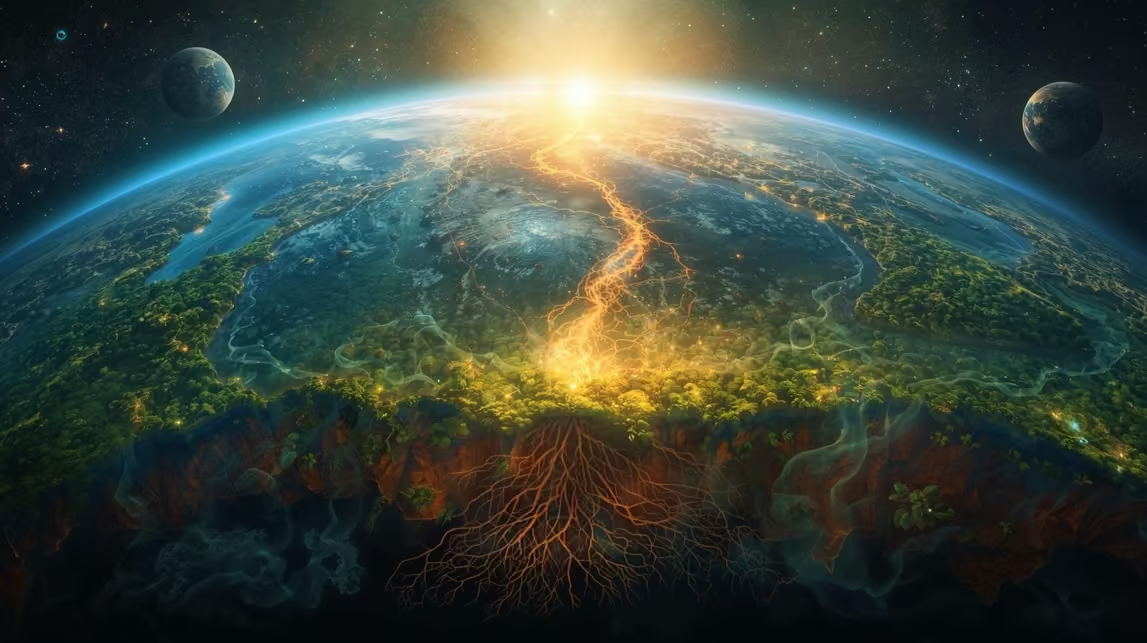
In the human body, blood serves as a delivery network, transporting glucose, amino acids, minerals, and other essential nutrients to trillions of cells. Without this constant nourishment, tissues weaken and organs fail. In Earth’s living system, the oceans perform a comparable function. Through vast movements of water — including upwelling, vertical mixing, and large-scale currents — the oceans distribute life-sustaining nutrients across the planet.
Many of the ocean’s essential nutrients, such as nitrates, phosphates, and silicates, accumulate in deep waters. These nutrients originate from sinking organic matter — the remains of microscopic organisms, plants, and animals that drift downward after death. Over time, decomposition enriches the deep ocean with the raw materials needed to fuel new life. However, without a mechanism to return these nutrients to the sunlit surface, marine ecosystems would struggle to thrive.
This is where upwelling becomes vital. Upwelling occurs when winds and Earth’s rotation push surface waters away from coastlines, allowing cold, nutrient-rich water from the depths to rise upward. When these nutrients reach the photic zone — the upper layer penetrated by sunlight — phytoplankton rapidly multiply. This burst of microscopic plant life forms the base of the marine food web, supporting zooplankton, fish, seabirds, and marine mammals.
One of the most productive upwelling systems in the world occurs along the western coast of South America, particularly off Peru and Chile. There, nutrient-rich waters sustain massive fisheries, including anchovy populations that support both regional economies and global food supplies. Similar upwelling systems exist off the coasts of California, northwest Africa, and parts of the Arabian Sea, collectively feeding millions of people worldwide.
Beyond coastal regions, large-scale ocean circulation also redistributes nutrients horizontally across ocean basins. Currents act like arterial pathways, moving dissolved minerals and organic compounds from one region to another. Seasonal storms and temperature changes further stir the upper layers of the ocean, ensuring nutrients do not remain trapped in isolated zones.
This constant circulation supports biodiversity on a planetary scale. Coral reefs, open-ocean fisheries, and polar ecosystems all depend on balanced nutrient flows. When circulation patterns weaken or become disrupted — due to climate change or other environmental pressures — nutrient delivery systems can falter, leading to declines in productivity.
In the metaphor of Earth as a Living Body, upwelling zones resemble nutrient-rich capillaries, delivering concentrated nourishment to regions that sustain abundant life. Ocean currents function as arteries and veins, ensuring that no ecosystem remains starved of essential elements for long.
Through this immense and dynamic distribution network, the oceans do more than move water — they feed the planet. Just as blood sustains the body’s tissues, ocean circulation sustains marine life, global fisheries, and ultimately human civilization itself.
7. Regulation of Temperature: Maintaining Planetary Homeostasis
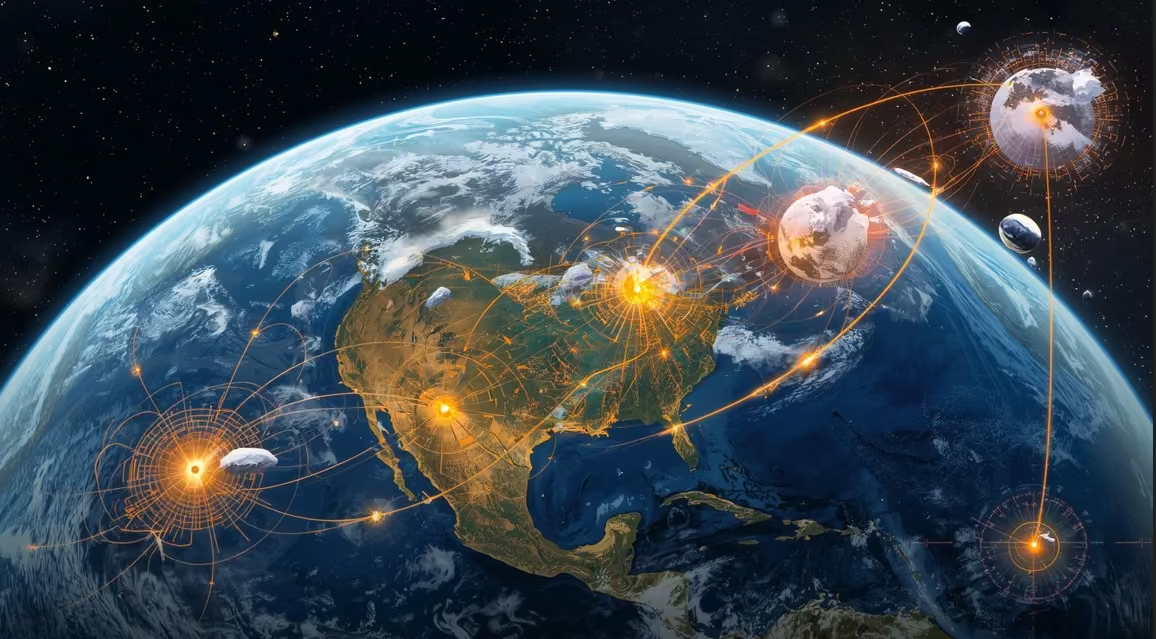
Just as the human body carefully regulates its internal temperature around 37°C, Earth relies on its oceans to maintain a stable and livable climate. Oceans act as the planet’s thermal regulator, absorbing, storing, and redistributing immense amounts of solar energy. Water’s high heat capacity allows it to buffer seasonal and daily temperature extremes.
When sunlight strikes Earth’s surface, much of the energy is absorbed by the oceans rather than the land. Ocean currents, like the Gulf Stream, carry warm water from the tropics toward higher latitudes, while colder polar waters sink and flow toward the equator. This global circulation balances temperatures across hemispheres.
| Without this regulation, Earth’s climate would experience extreme instability: |
| 🔸 Days would be much hotter. |
| 🔸 Nights would be much colder. |
| 🔸 Seasonal extremes would be severe. |
Coastal regions benefit from this buffering effect because water heats and cools more slowly than land, stabilizing local climates and protecting ecosystems. Phenomena such as El Niño and La Niña further illustrate how changes in ocean temperature can influence global weather patterns, including rainfall, storms, and hurricane intensity.
In the framework of Earth as a Living Body, oceans act as the planet’s thermostat. By absorbing excess heat, storing it in deep layers, and gradually releasing it, they maintain planetary homeostasis. This process is critical not only for immediate survival but also for the long-term stability of ecosystems, agriculture, and human societies.
In essence, oceans regulate the thermal rhythm of the planet — protecting life from overheating, freezing, or sudden climatic extremes — just as the human body carefully controls its internal temperature to sustain life.
8. Waste Removal and Carbon Cycling
In the human body, blood carries away carbon dioxide and other metabolic waste, maintaining chemical balance and preventing toxicity. Similarly, the oceans act as Earth’s internal waste-management and detoxification system, absorbing and regulating carbon and other substances that could disrupt planetary homeostasis. Oceans are a major sink for carbon dioxide (CO₂), absorbing nearly 25–30% of human-produced emissions, which helps buffer the atmosphere against rapid climate change.
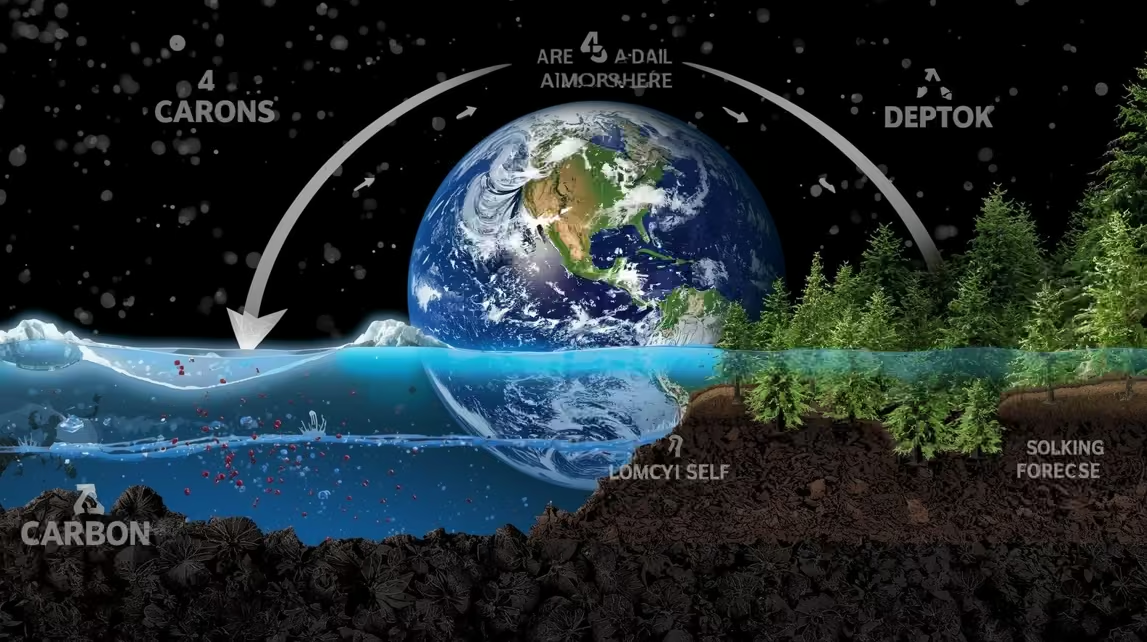
How Oceans Remove Carbon and Waste 🐚
| The oceans use multiple mechanisms to cycle and store carbon: |
| ▫️ Dissolution: CO₂ from the atmosphere dissolves into the surface ocean, forming carbonic acid. This process temporarily stores carbon in the water. |
| ▫️ Biological Carbon Pump: Phytoplankton photosynthesize, converting CO₂ into organic matter. When these organisms die or are eaten, their remains sink into deeper waters, effectively transporting carbon away from the surface for decades or centuries. |
| ▫️ Sedimentation: Carbon-rich particles, shells, and skeletons from marine organisms eventually settle on the seafloor, forming sediments that store carbon long-term. |
These processes ensure that carbon is continuously cycled, maintaining chemical balance across ocean layers and regulating atmospheric levels. The microbial and planktonic communities act like specialized “clean-up cells,” breaking down organic matter, recycling nutrients, and keeping dissolved carbon within usable ranges for marine life.
Consequences of Imbalance ❌
While this natural system is highly efficient, it has limits. Excessive CO₂ absorption can overwhelm the oceans, leading to ocean acidification:
| ▫️ Impact on Coral Reefs: Acidic waters reduce the ability of corals to build calcium carbonate skeletons, threatening reef ecosystems. |
| ▫️ Impact on Shellfish and Plankton: Organisms like mussels, clams, and coccolithophores struggle to form shells, disrupting the base of the food web. |
| ▫️ Ecosystem Stress: Acidification alters predator-prey relationships, growth rates, and reproductive success in many marine species. |
In this way, the ocean’s waste removal system mirrors the human body: it can handle normal waste effectively, but excessive “toxins” — in this case, human-produced CO₂ — create systemic stress.
Additional Roles in Nutrient Cycling ♻️
| ▫️ Nitrogen and Phosphorus Recycling: Microbial decomposition of organic matter releases essential nutrients back into surface waters, supporting primary productivity. |
| ▫️ Detoxification: Certain microbes can degrade pollutants and organic toxins, preventing harmful accumulation in marine ecosystems. |
| ▫️ Climate Stabilization: By storing carbon in the deep ocean and sediments, oceans help moderate global temperatures, slowing atmospheric warming. |
Earth as a Living System Analogy 💓
| In the metaphor of Earth as a Living Body, the oceans act like the bloodstream, kidneys, and liver combined: |
| 🔸 Bloodstream: Transporting carbon and nutrients. |
| 🔸 Kidneys: Filtering excess chemical compounds and toxins. |
| 🔸 Liver: Detoxifying harmful substances and storing processed materials. |
Through these coordinated processes, the oceans sustain life on a global scale, prevent rapid climate fluctuations, and maintain the metabolic balance of the planet.
Key Takeaways: 🪸
| ● Oceans absorb ~25–30% of human-produced CO₂. |
| ● Carbon is removed through dissolution, biological pumping, and sedimentation. |
| ● Microbes recycle nutrients and detoxify organic matter. |
| ● Excess CO₂ leads to ocean acidification, affecting coral reefs, shellfish, and marine ecosystems. |
| ● Oceans act as Earth’s “waste management and detox system,” essential for planetary homeostasis. |