
Third Part
✋Stop Throwing Away Free Fertiliser — Your Lawn Deserves Better!
Grass clippings are gold, not garbage. Discover how grasscycling and composting can transform your lawn, save money, and help the planet. 🌺
Grass clippings are far too valuable to be treated as waste. Rather than bagging and discarding them, harness their power through two simple, game-changing practices: grasscycling (leaving the clippings right on the lawn) or composting. Both return essential nutrients straight back to the soil — naturally and for free.
Fresh grass clippings are packed with nitrogen — a powerhouse nutrient that drives lush, healthy plant growth. As they break down quickly, they deliver a slow-release organic fertiliser that can reduce or completely eliminate the need for synthetic chemicals.
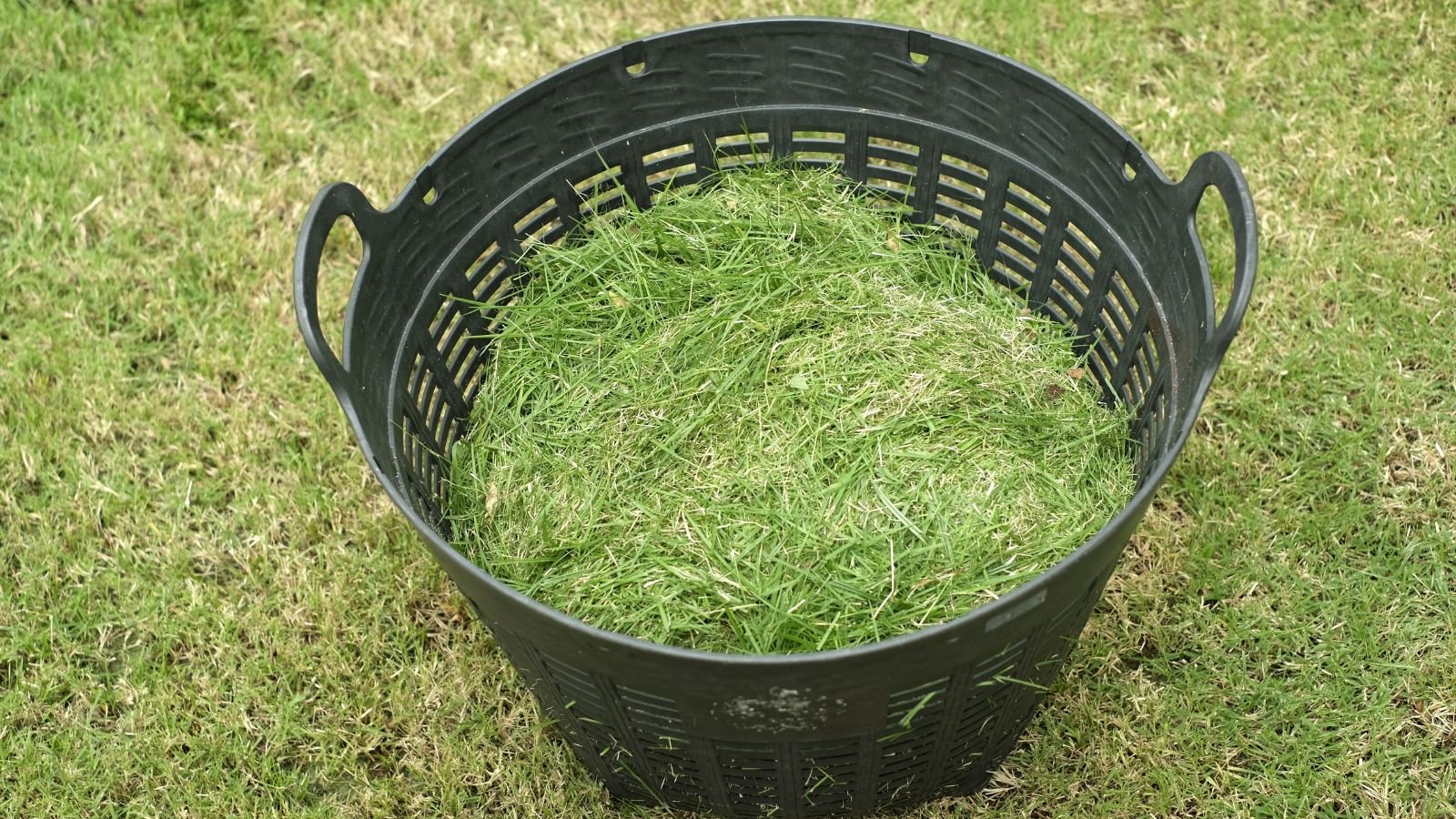
✂️ Freshly cut grass clippings — packed with free nitrogen!
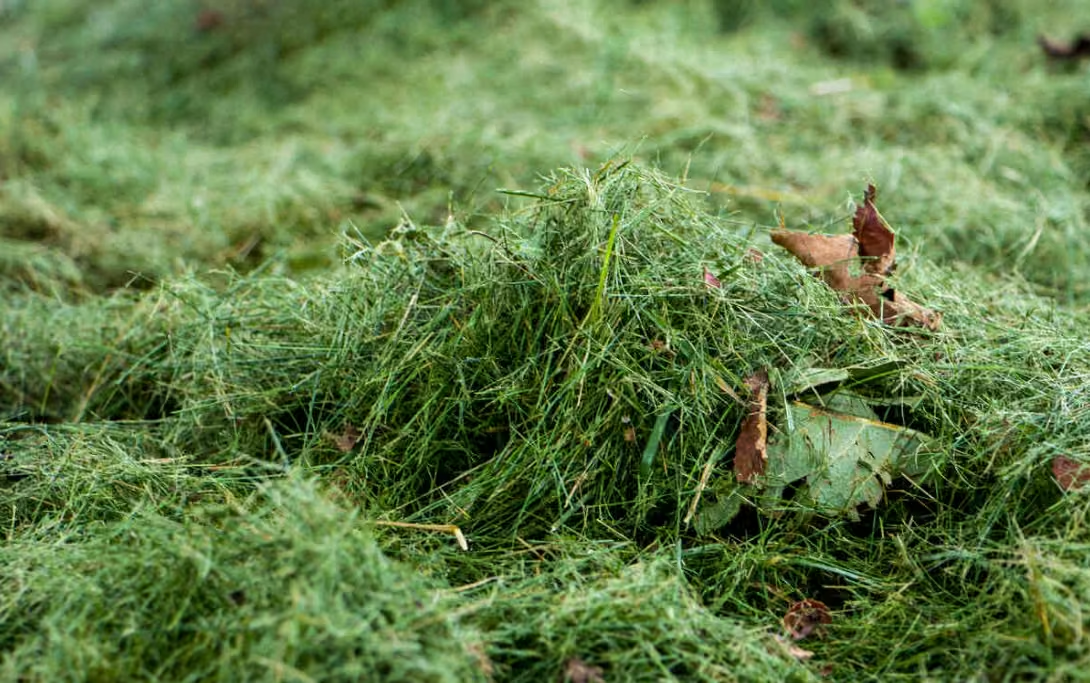
🌿 Clippings naturally mulch the lawn when left in place
Grasscycling: Instant Benefits Right Where You Mow 🏆
The finely chopped clippings settle between grass blades and work like a natural mulch blanket. Here’s what they do for your lawn:
🍀 Retain soil moisture by slashing evaporation
🍀 Moderate soil temperature
🍀 Feed beneficial soil microorganisms
🍀 Improve soil structure over time
🍀 Support earthworm activity and boost the overall lawn ecosystem
They lock in moisture, slash evaporation, and keep roots cooler during hot spells → less watering, lower bills, and time to build a stronger, more resilient lawn and environment that thrives season after season.
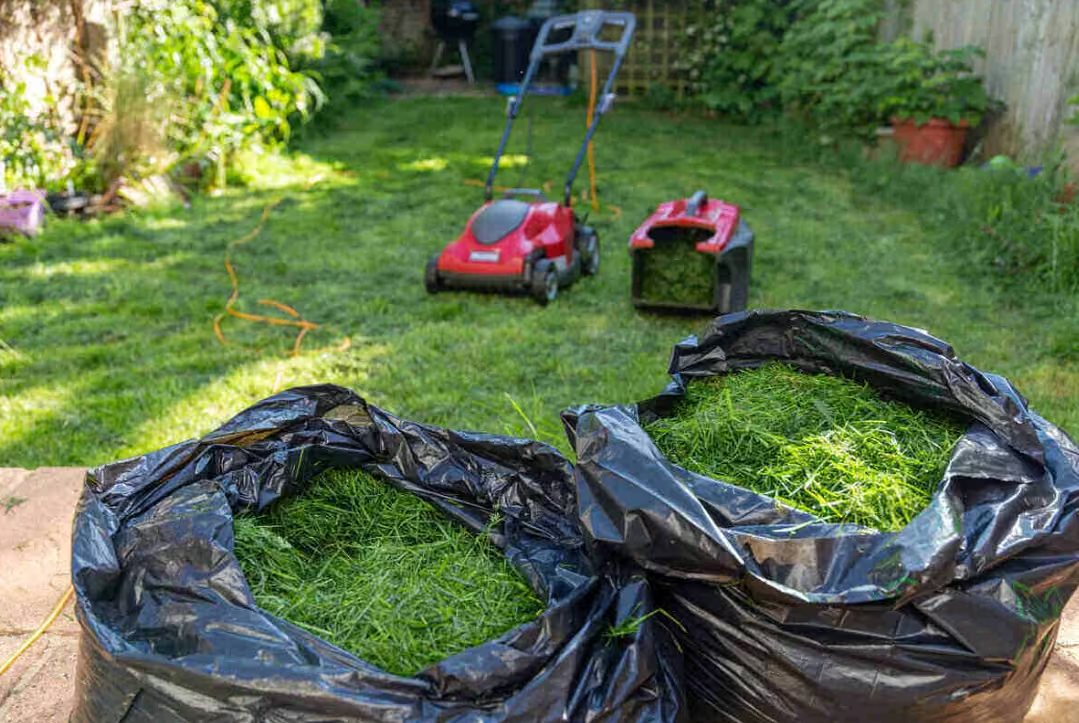
🪚 Grasscycling in action — clippings feed the lawn naturally
👁️ See the Transformation:
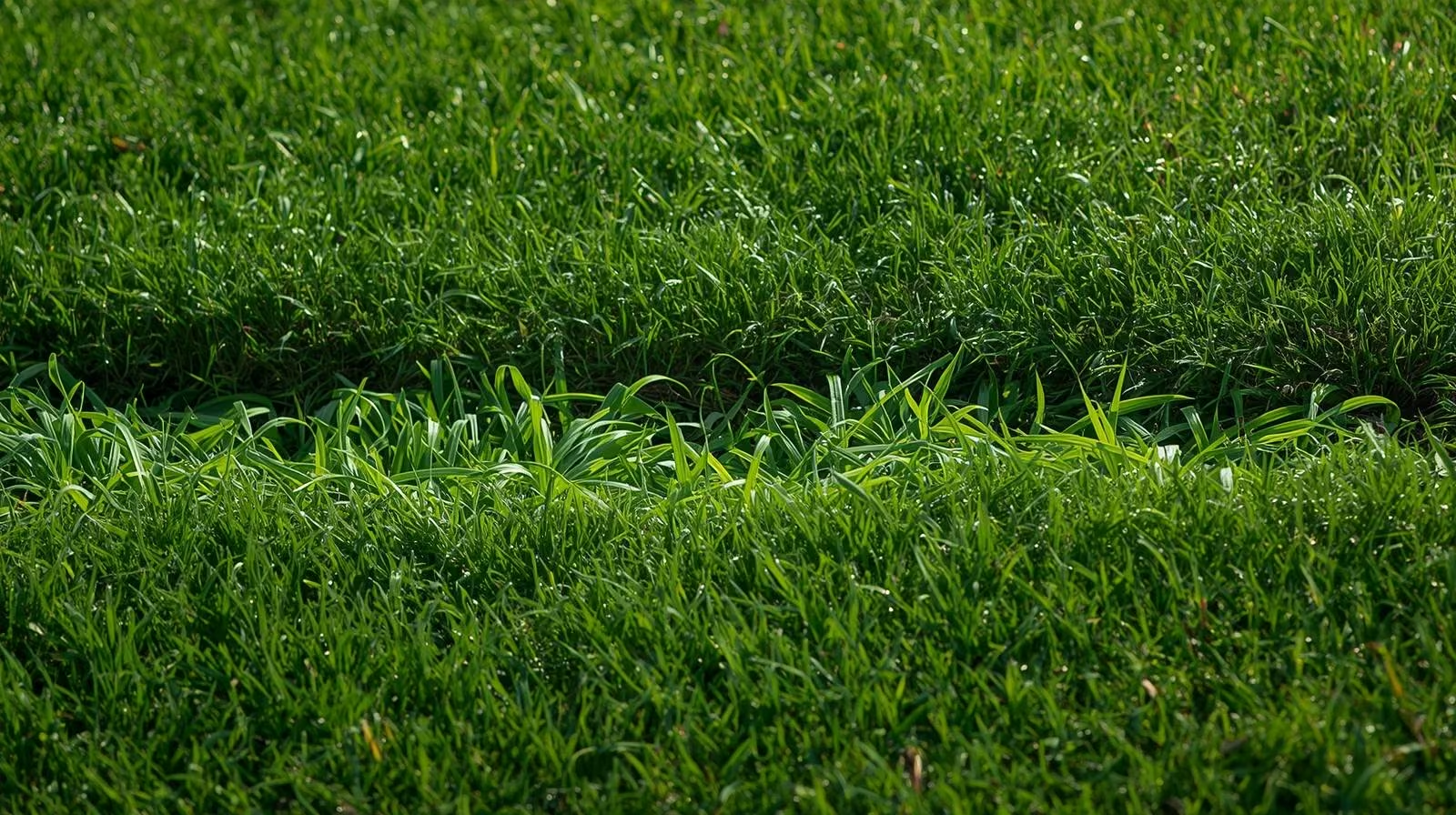
See the transformation for yourself— here’s the undeniable before-and-after when you switch to grasscycling (leaving those nutrient-rich clippings right on the lawn instead of bagging them).
The change isn't always instant (clippings decompose in days to weeks with proper mowing), but over a few seasons, the results speak volumes: lawns go from patchy, thin, or nutrient-hungry to thicker, greener, more resilient, and naturally fertilized. No clumps if you mow frequently (removing no more than 1/3 of the blade height each time) with a sharp blade or mulching mower—the fine mulch disappears quickly, feeding the soil and roots below.
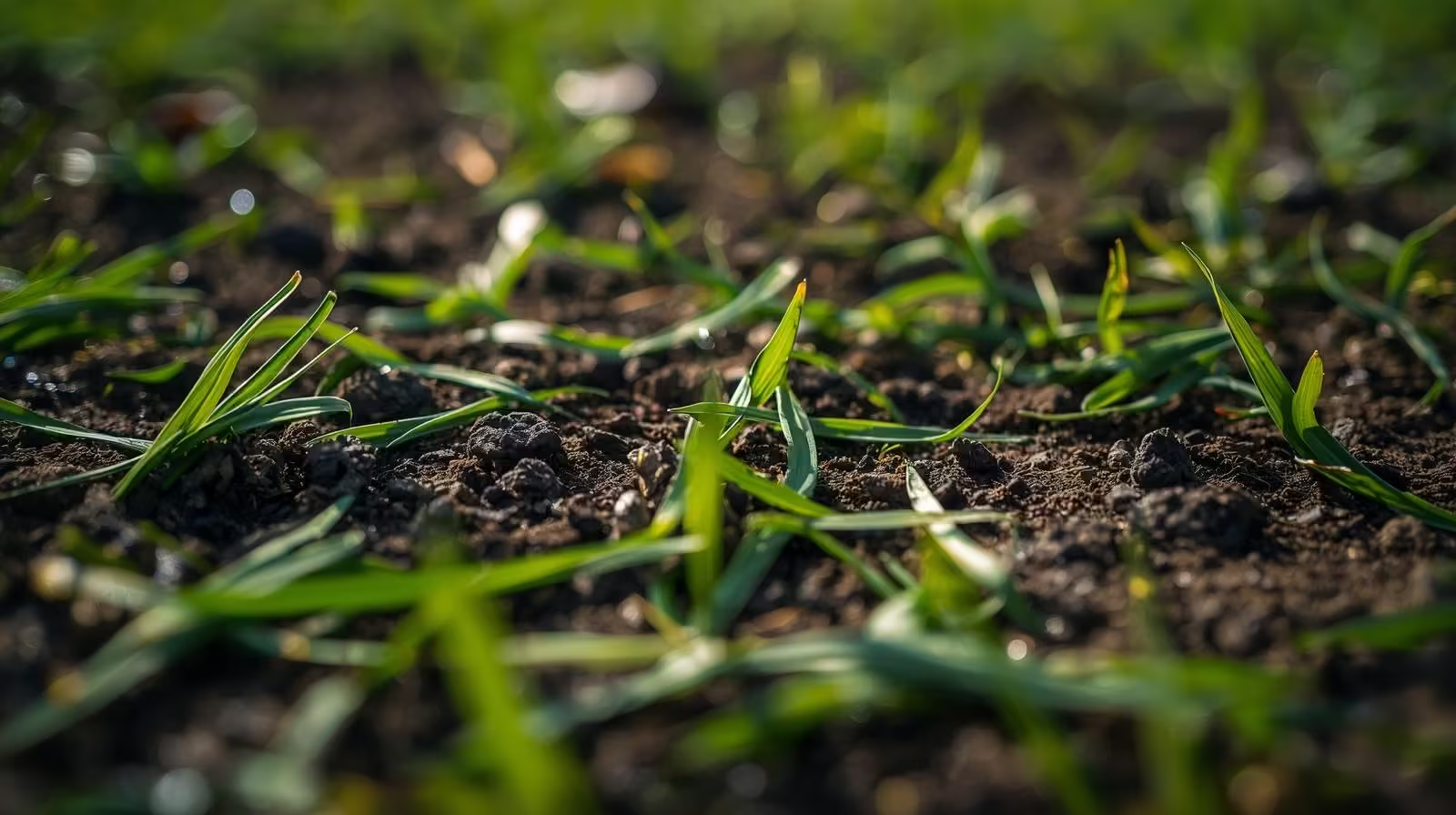
💩 Before 💩
😄 After 😄
🌺 Before → After: Patchy to thick, green lawn with grasscycling
🖤 Composting: Turn Clippings into Black Gold for Your Whole Garden
Composting lawn clippings at home is an excellent way to transform what many see as "waste" into black gold—rich, nutrient-packed compost that supercharges your garden soil. When you can't (or prefer not to) leave all the clippings on the lawn—known as grasscycling—collecting and composting them prevents a significant environmental issue.methane (a greenhouse gas far more potent than CO₂ in the short term).
Why Composting Clippings Matters for the Environment Sending organic waste like grass clippings to landfills leads to anaerobic (oxygen-free) decomposition, which produces large amounts of methane—a greenhouse gas that's far more potent than CO₂ in the short term (around 28–84 times more effective at trapping heat over 20–100 years, depending on the timeframe). Landfills are a major source of human-caused methane emissions (third-largest in many countries), and organics like yard waste and food scraps contribute heavily to this.
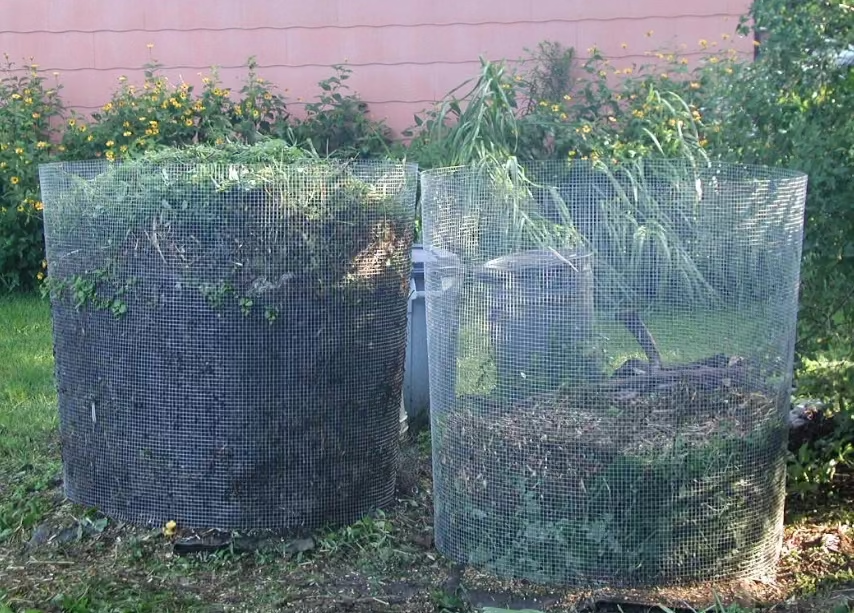
🍃 Simple home compost bin layered with grass clippings
♻️ Finished Compost Delivers Incredible Long-Term Rewards
By composting at home, you promote aerobic decomposition (with oxygen), which drastically reduces methane release—often to negligible levels with proper management. This diverts waste from landfills, sequesters carbon in the soil when you apply the finished compost, improves soil health, conserves water, reduces erosion, and cuts the need for chemical fertilizers. It's one of the most impactful home actions for lowering greenhouse gases and building resilient gardens.
How to Compost Grass Clippings Effectively:
Grass clippings are high in nitrogen (a "green" material), so they break down quickly but can cause problems if not handled right—they mat together, become slimy, go anaerobic, and smell bad (like ammonia or rotten eggs).
Key tips to avoid issues and make great compost:
🌳 Balance the pile → Mix clippings (greens) with "browns" (carbon-rich materials) in roughly a 1:1 to 1:2 ratio by volume. Good browns include dry leaves, shredded cardboard, newspaper, straw, wood chips, twigs, or sawdust. Aim for a carbon-to-nitrogen ratio around 30:1 overall. Layer and mix: Don't dump thick layers of fresh clippings alone. Spread them thinly (a few inches), then layer or mix in browns. This prevents matting and ensures airflow.
♻️ Aerate regularly → Turn the pile every 1–4 weeks (more often if it starts smelling) to introduce oxygen and speed decomposition. Turning distributes materials and prevents anaerobic pockets.
🍃 Moisture level → Keep the pile as damp as a wrung-out sponge—too wet leads to smells and slime; too dry slows breakdown. If clippings are very fresh and wet, let them dry a bit first or add more dry browns.
📏 Size and location → Start with a pile at least 3x3x3 feet for good heat buildup (ideal 130–160°F to kill weeds/seeds and speed things up). Place it in a shaded, accessible spot.
⚠️ Avoid pitfalls → Don't add clippings from lawns treated with herbicides/pesticides recently (wait 2–4 weeks or longer, depending on the product—some persist). If the pile gets too hot or smelly, turn it more and add browns. Shred or chop larger materials for faster breakdown.
🧪 Methods to try → Backyard pile or bin: Simple and low-cost. Layer greens and browns, turn periodically.
⛏️ Trench/in-ground → Dig a trench in the garden, bury clippings mixed with soil—great for direct bed improvement.
🪣Tumbler or container → Easier turning, good for smaller spaces.
💦 Holds water like a sponge → plants survive dry spells better, amazingly keeping them young and vibrant for longer (lush, youthful grass that stays thick and bounces back instead of thinning and ageing prematurely).
🪱 Feeds soil life for long-term fertility → less need for bought fertiliser forever, plus you save wasteful spending, save time, save stress, and increase your lawn’s abilities — creating a tougher, more self-sustaining space that handles Manchester’s wet-then-dry weather like a champion.
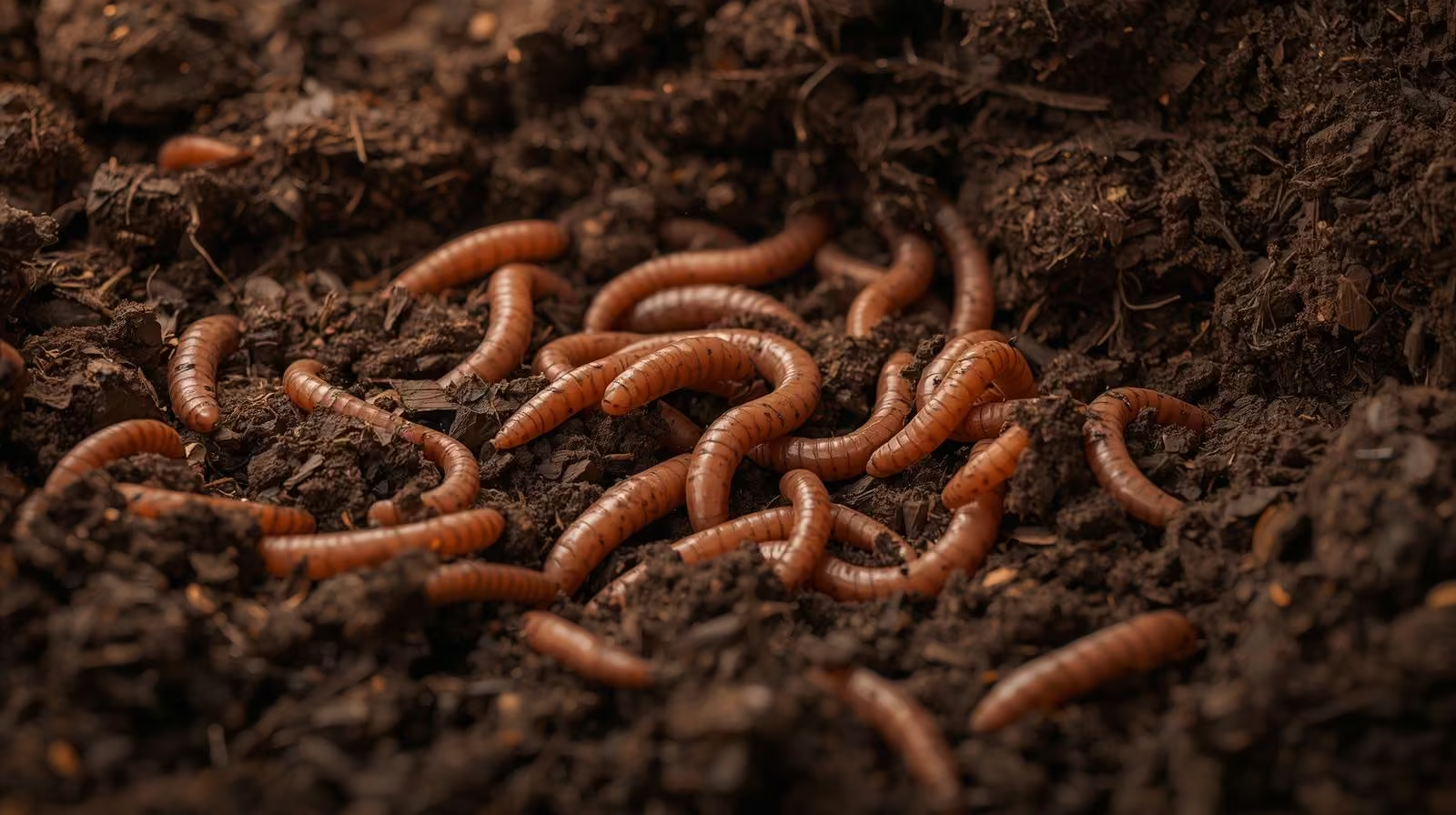
😁 Earthworms thriving in rich, compost-enriched soil
In a few months (faster with hot composting and regular turning), you'll have dark, crumbly compost ready to spread on beds, mix into soil, or use as mulch. It feeds plants naturally, boosts microbial life, and helps your whole garden thrive.
Start small if you're new—your lawn clippings alone can kick off a thriving compost system while keeping methane out of the atmosphere. It's rewarding, sustainable, and turns yard "waste" into true garden treasure! If you have specific setup questions (like bin types or ratios), let me know.
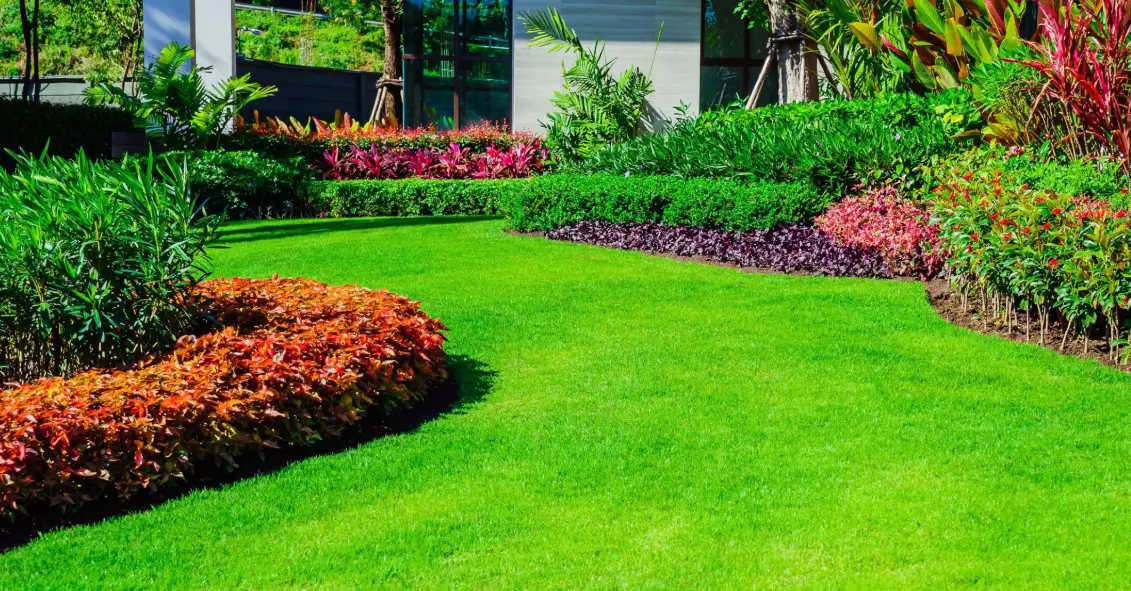
🌸 The reward: A vibrant, drought-resistant lawn year after year 😀
The Bottom Line
By simply leaving clippings on the lawn or composting them responsibly, you save money, slash waste, cut greenhouse gas emissions, and nurture healthier, more resilient soil and plants.
It’s one of the easiest, most effective steps you can take toward a sustainable landscape — right in your own backyard.
With firm determination, finally mow the grass without a bag.
🌱 Your lawn is waiting.🌱