Second Part
🌱Leave Some Grass Natural
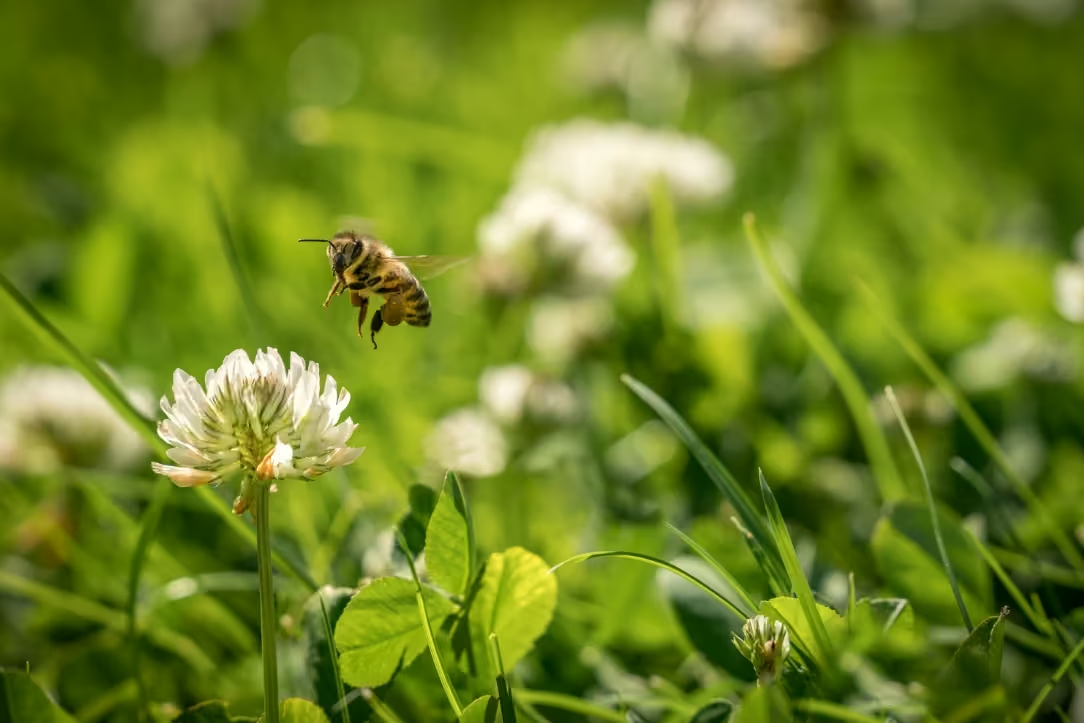
In our bustling cities around the world—from Manchester to New York, Singapore to Berlin—leaving patches of grass to grow naturally is a simple yet powerful way to support local wildlife and make our urban environments greener and more resilient. When grass grows longer in gardens, allotments, parks, or community spaces, it quickly produces flowers and seeds—think cheerful dandelions, clover, daisies, and selfheal—that provide essential nectar and pollen for our buzzing bees, butterflies, hoverflies, and beetles. These early blooms are a lifeline, especially in spring when food can be scarce amid concrete and buildings. Healthy pollinator populations help our city gardens, parks, and even nearby farms thrive.
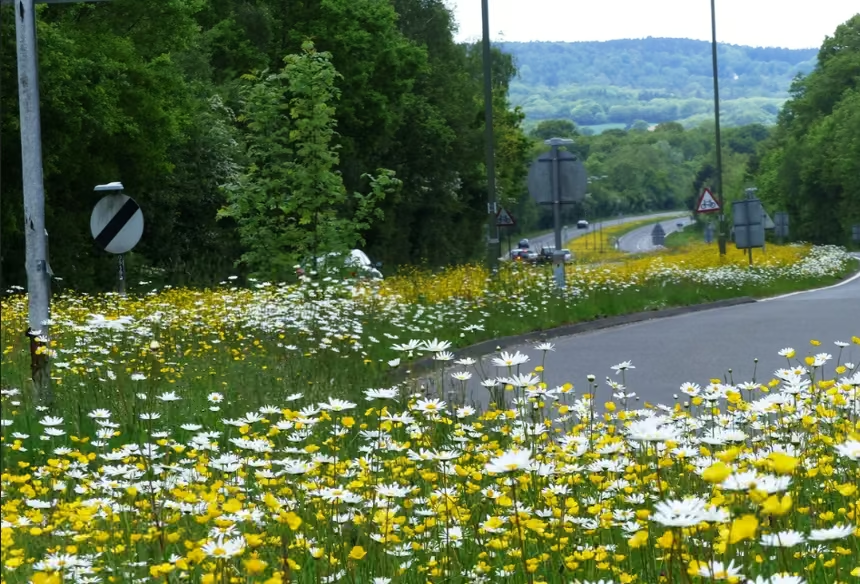
Taller grass also creates cool, sheltered micro-habitats for insects, soil creatures, and small animals like frogs or hedgehogs. It shades the ground (keeping soil moist even during dry spells), protects from wind and predators, and offers nesting spots. Wilder patches in urban parks, along roadsides, or in vacant lots often draw in birds that feast on the insects and seeds—helping keep ecosystems balanced in even the most built-up areas.
By fostering these natural areas, you directly boost biodiversity — a greater variety of species in one place. Diverse urban ecosystems are more resilient to pests, diseases, flooding, and our changing climate. In contrast, short-cropped lawns support far fewer species and often demand more water, frequent mowing, and sometimes chemicals to stay "perfect." Studies from cities across Europe and North America show that less-frequently mowed lawns dramatically increase bee and butterfly abundance and diversity.
Plus, letting some grass grow wild cuts down on fuel use, noise, and chemical applications, while protecting soil health and even helping sequester carbon through increased plant biomass. Movements like No Mow May (which has inspired cities worldwide, from Appleton in the US to many in Europe) prove that small actions add up—creating habitats that link together for nature to flourish.
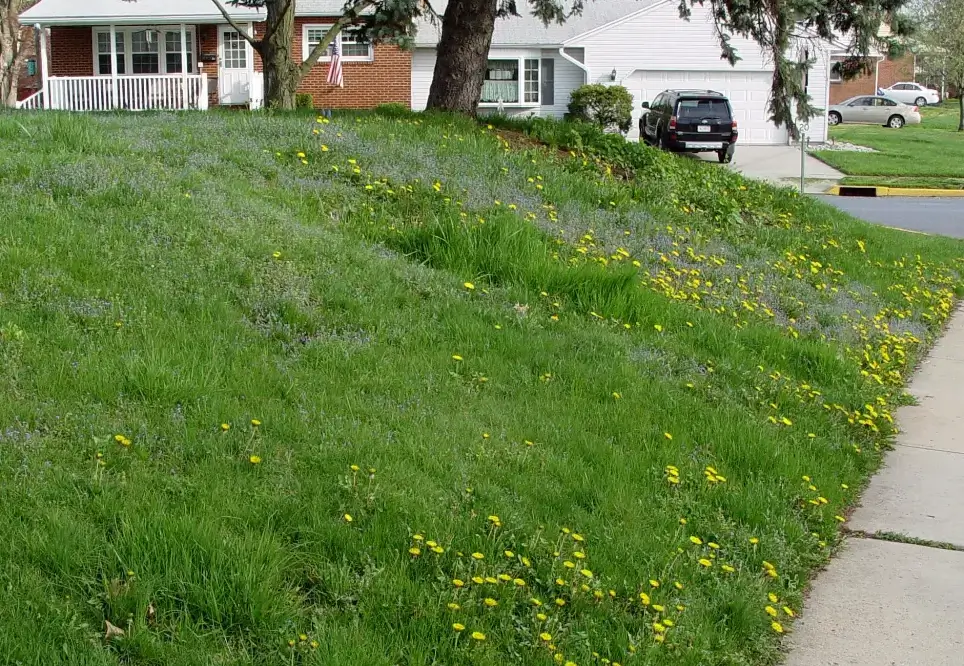
You don't need to stop mowing entirely — even small unmowed corners, strips along fences, roadside edges, or dedicated "wild" zones in community spaces can make a big positive impact. Why not try leaving just a little patch this spring or summer? Watch the flowers emerge, listen for the bees, and know you're joining a global effort to make cities wilder, healthier, and more wonderful for everyone—and everything—that calls them home. 🌱🐝
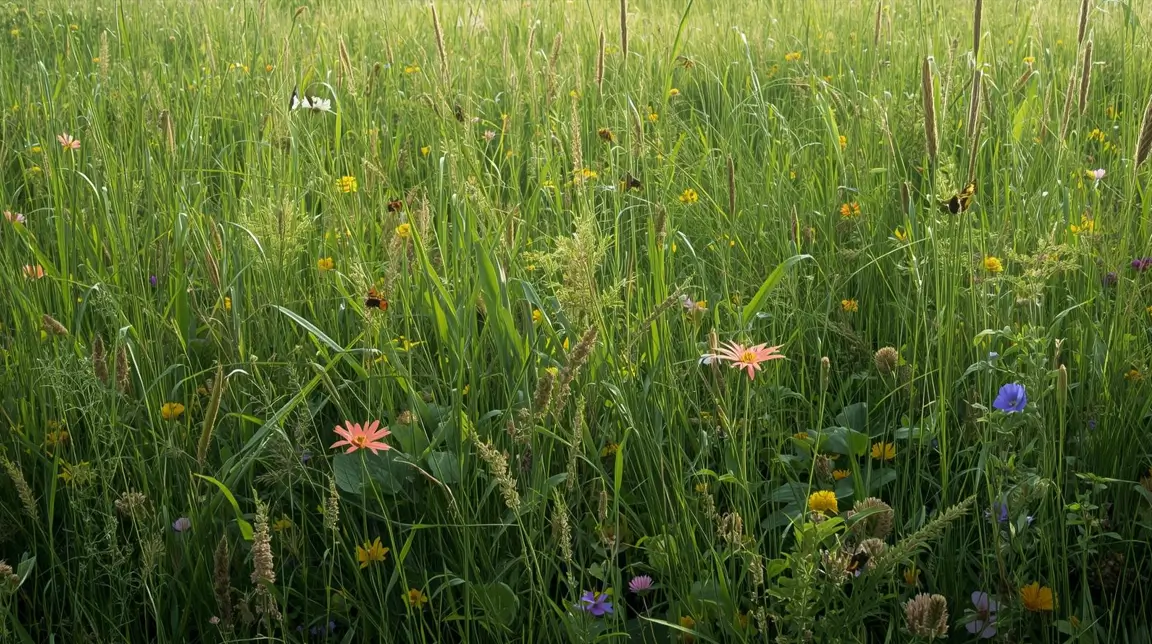
🌼 “Leaving grass natural provides food, shelter, and safety for insects and supports biodiversity.” 🌼
🌸 Please Leave Some Grass Natural 😃


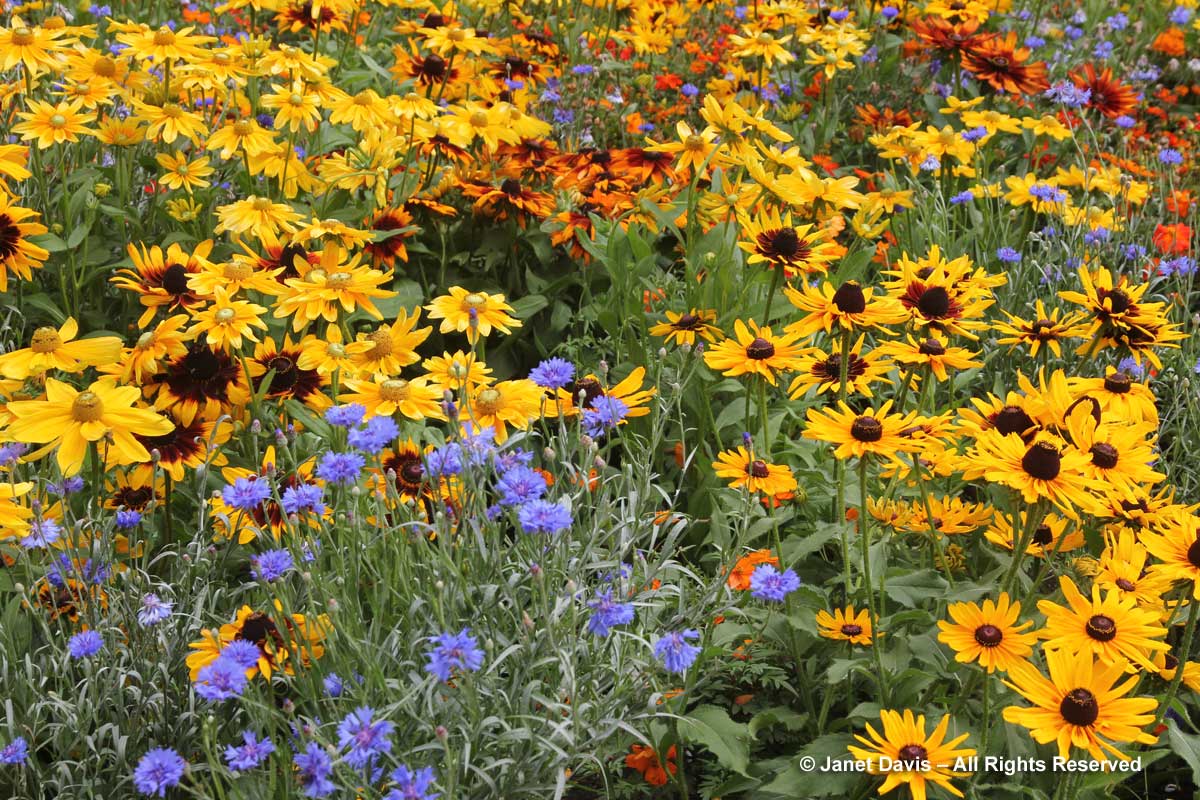
:max_bytes(150000):strip_icc()/GettyImages-1414023501-adc556405d4c439b8cb077d15522d00e.jpg)
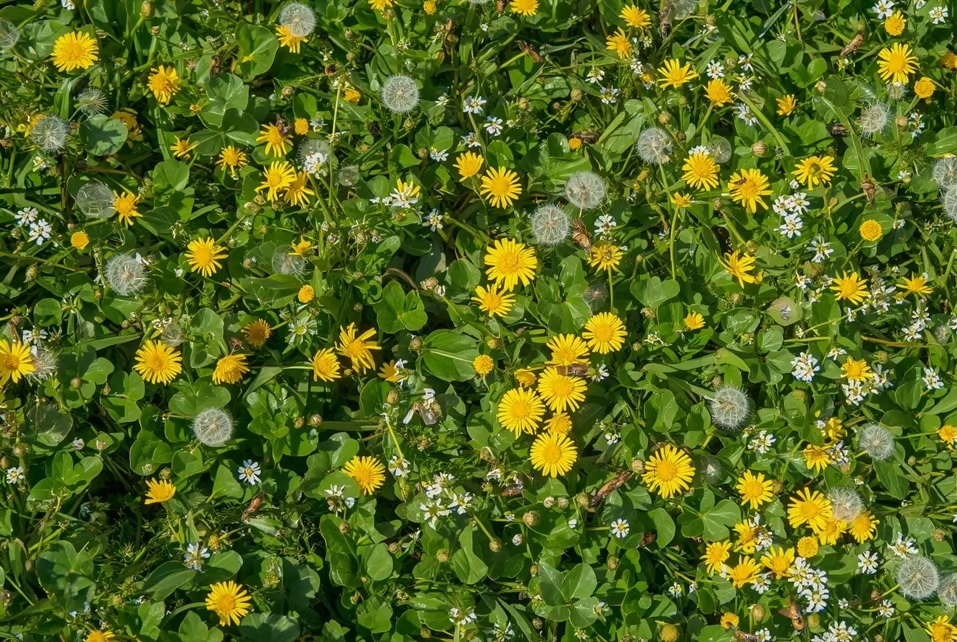

🌿 Small patches like these make a big difference for bees, butterflies, and nature! 🐝
🌷 Urban Lawn with Colorful Wildflowers & Pollinators
Let's talk with photos — because these raising-up scenes speak for themselves! Here's a perfect everyday example: a front yard or garden patch left to grow naturally, covered in cheerful daisies, dandelions, and clover, with bees clearly visible as they forage. This beautifully illustrates how those early blooms — dandelions, clover, daisies, and selfheal — become a vital lifeline for bees, butterflies, hoverflies, and other pollinators in our cities.
🦋 Why not try it in your own garden? Small unmowed corners make a big difference for nature! 🌱
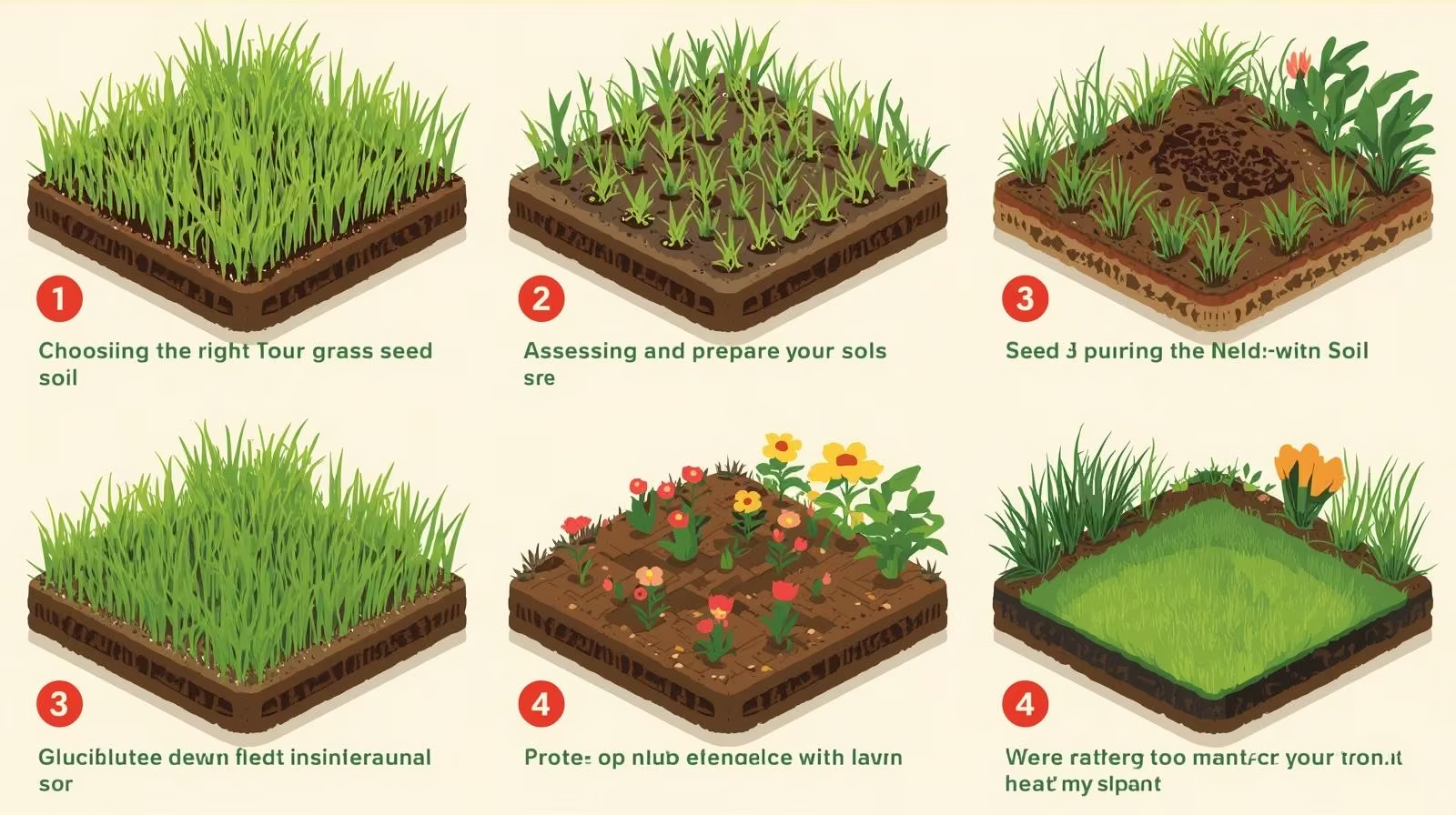
🌿How to Plant Grass in Bare or Damaged Soil: 🌹 Step 🌹 by 🌹 Step 🌹 Guide 🌿
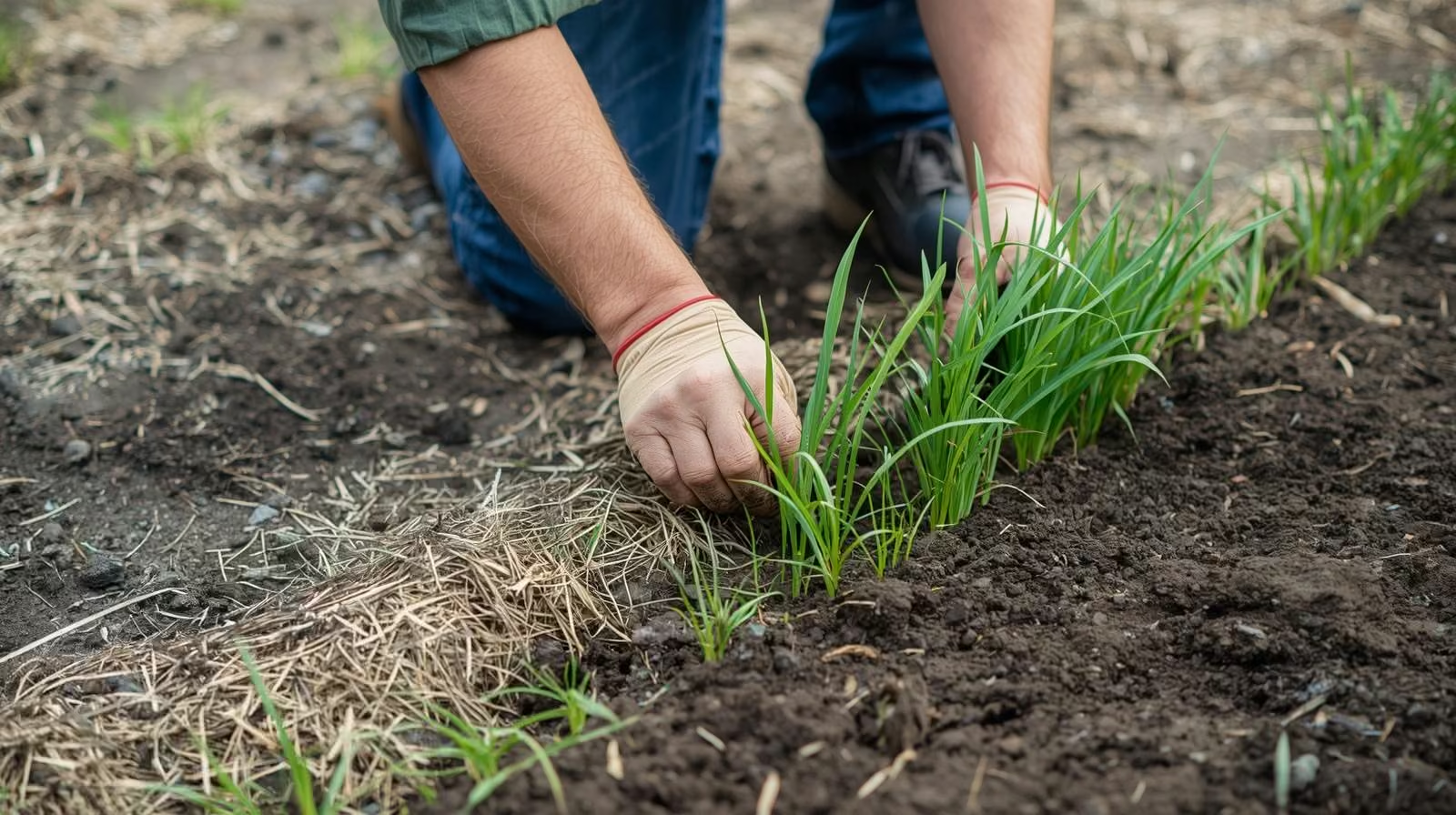
"Planting grass seedlings to revive damaged soil for enduring strength and erosion protection." 🌿
Restoring bare or damaged soil with grass is straightforward and rewarding, but success depends on proper preparation and care. Follow these steps for the best results:
Assess and Prepare the Area: Clear debris, weeds, rocks, and dead material from the bare spot. Loosen the top 2–4 inches of soil with a rake, garden fork, or cultivator to improve seed-to-soil contact and allow roots to penetrate. If the soil is heavily compacted or poor quality, mix in compost or topsoil to boost nutrients and structure—this helps damaged soil recover faster.
Choose the Right Grass Seed: Select a grass type suited to your climate, soil, and site conditions (e.g., sun/shade, slope).
For erosion-prone areas:
🍀 Tall fescue — Excellent deep roots for binding soil; drought-tolerant and versatile.
🍀 Perennial ryegrass — Quick germination for fast cover.
🍀 Creeping red fescue — Great for shade and erosion control.
🍀 Native or warm-season options — like switchgrass or buffalograss work well in specific regions for long-term stability and biodiversity.
🍀 Use seeds mix — Use a seed mix labeled for "repair," "erosion control," or "bare spot" if possible.
Seed the Area
Spread seed evenly at the rate recommended on the package (often 5–10 g/m² for patches). For even coverage, sow half in one direction and half perpendicular (crisscross pattern). Lightly rake seeds into the soil so they're covered by about 1/4 inch—no deeper, as grass needs light to germinate.
Protect and Mulch
Cover lightly with a thin layer of weed-free straw, peat moss, or an erosion control blanket to retain moisture, prevent birds from eating seeds, and stop washout on slopes. This is especially important in windy or rainy areas.
Water and Maintain
Keep the soil consistently moist (not soggy) with light, frequent watering—1–2 times daily for the first 2–3 weeks until germination. Once grass reaches 2–3 inches, reduce watering and begin mowing at a higher height to encourage root growth. Avoid heavy foot traffic until established.
With good care, you'll see sprouts in 7–21 days (depending on grass type and weather), and a solid cover in 4–8 weeks. This not only halts erosion quickly but kickstarts the soil health and biodiversity benefits.