
Interpreting the Survival of Prophet Nuh (Noah) After the Flood: Islamic, Biblical, and Archaeological Perspectives
Abstract
The narrative of the Flood and the survival of Prophet Nuh (Noah, peace be upon him) transcends religious boundaries, appearing in Islamic, Biblical, and ancient cultural traditions. In Islam, it is viewed as a divine historical event rooted in revelation. Non-Muslims, however, often interpret it through Biblical lenses, archaeological evidence, or environmental history. This article explores how Nuh's post-flood survival can be understood by non-Muslims. It compares Islamic explanations with Biblical accounts and archaeological findings, while emphasizing shared themes of renewal and interpretive variances.
1. Introduction
The Flood story holds a pivotal place in human religious and cultural heritage. In Islam, the account of Prophet Nuh is detailed in the Qur’an as a factual event underscoring divine justice and mercy. For non-Muslims, engagement with this narrative may be academic, symbolic, or comparative, rather than faith-based. This exploration focuses on Nuh's survival after the deluge. It draws from Islamic sources while facilitating understanding through Biblical parallels and archaeological insights. By doing so, it bridges theological and secular perspectives, allowing readers to appreciate the story's universal resonance.
2. The Islamic Account: Survival Through Divine Command and Practical Means
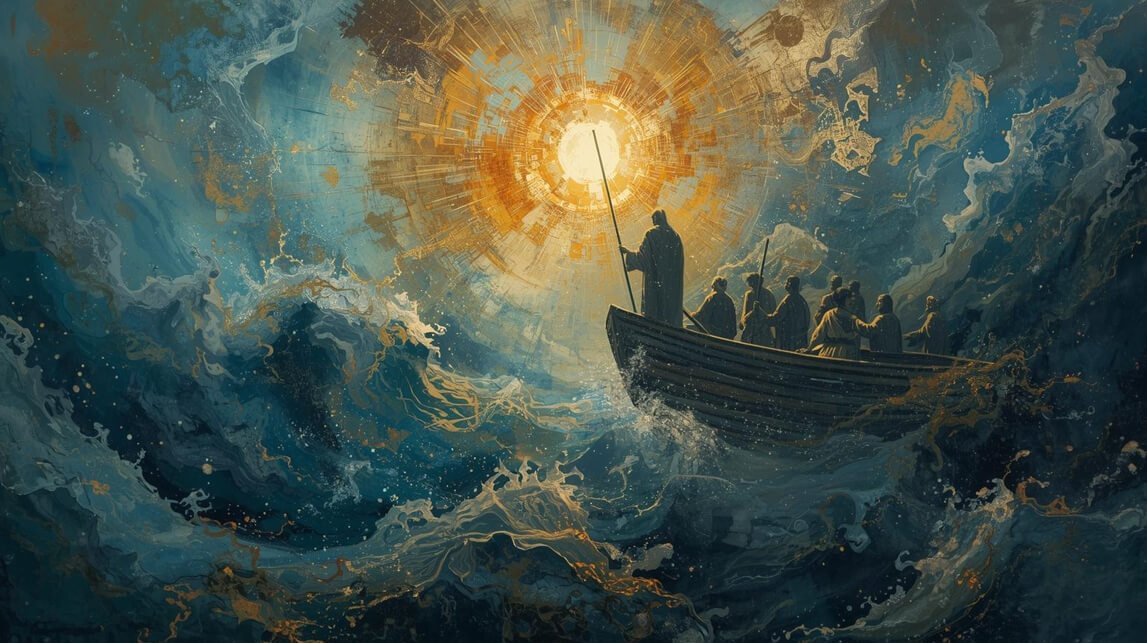
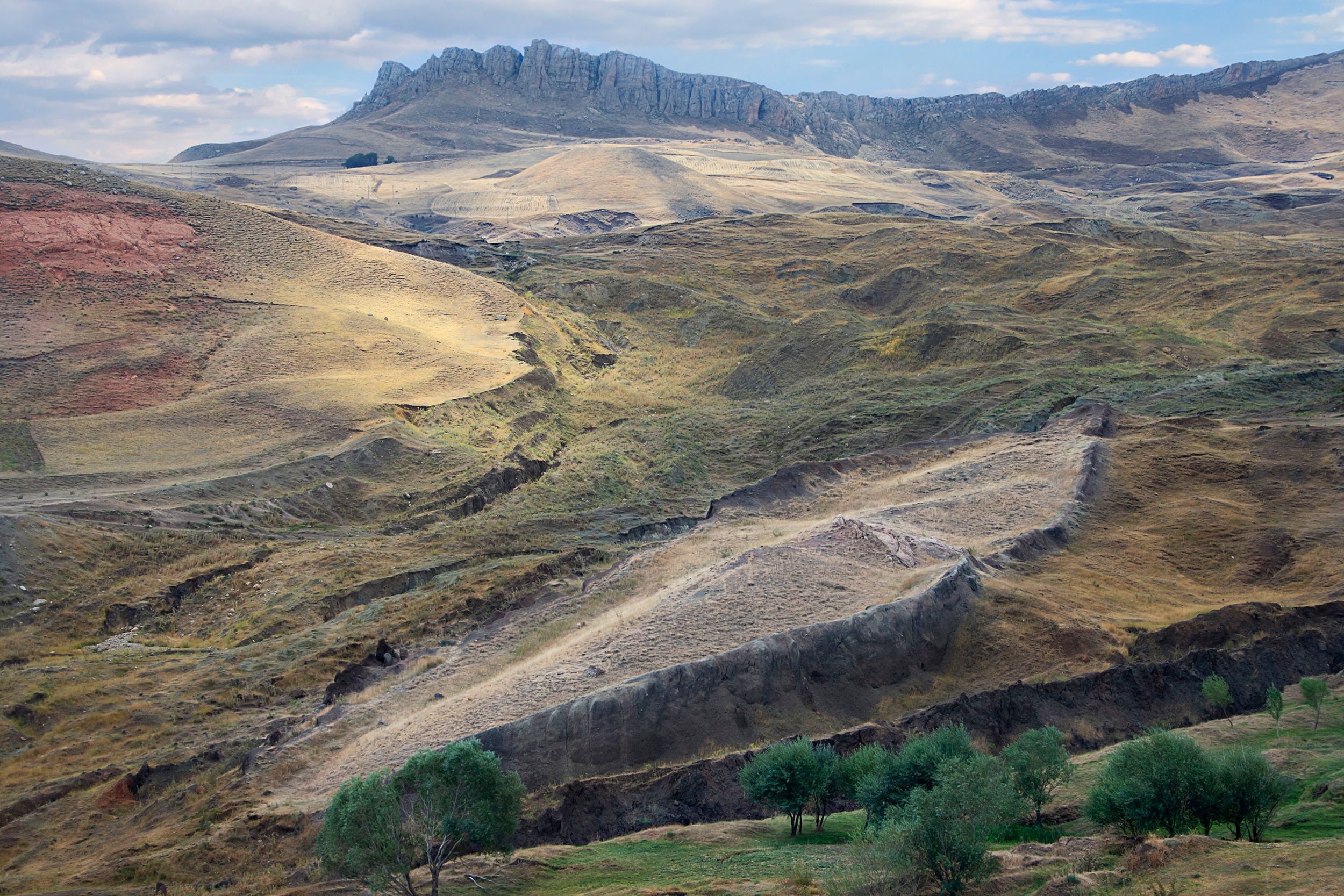
In Islamic tradition, Nuh's survival post-flood is framed as an act of Allah's will, executed through preparation and blessing. The Qur’an (Surah Hud 11:36–49) describes the Ark's construction under divine guidance, the gathering of believers and animals, and the Flood's subsidence by Allah's command. The vessel rests on Mount Judi (in modern-day Turkey), symbolizing a new beginning. Survival is ensured not merely by miracle but through tangible elements: stored provisions, paired animals for repopulation, and gradual environmental restoration.
The Qur’an notes the earth's recovery, with waters receding and skies clearing (Surah Hud 11:44), implying a return to habitable conditions. Barakah (divine blessing) plays a central role, enhancing meager resources for sustenance. Post-flood, Nuh and his followers engage in agriculture and community rebuilding, aligning with human resilience. For non-Muslims, this narrative resonates rationally—it mirrors disaster preparedness strategies, such as stockpiling and ecological adaptation—without requiring belief in the supernatural.
3. Biblical Perspective: Similarities and Differences
3.1 Shared Core Elements
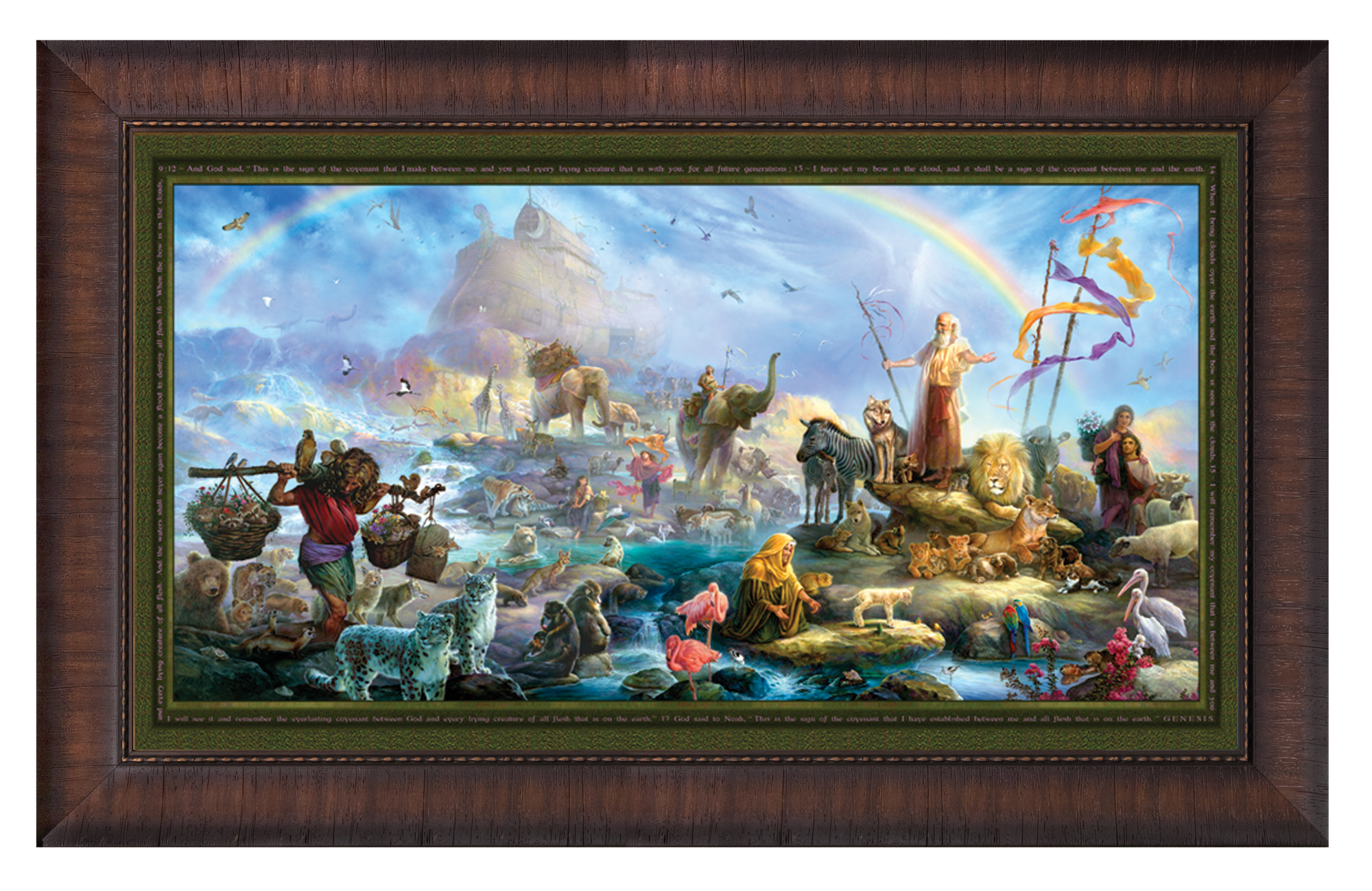
The Biblical narrative in Genesis 6–9 echoes the Islamic story closely. Noah receives a divine warning of humanity's corruption leading to the Flood. He builds an Ark to precise specifications, preserves animals (two of each kind, with seven pairs of clean animals), and endures the waters. The Flood subsides gradually, with life renewing through Noah's family. Both traditions portray the event as punishment for moral decay and reward for obedience, culminating in a covenant of hope.
3.2 Key Differences
However, notable differences exist:
| Aspect | Islamic Account | Biblical Account |
|---|---|---|
| Resting place of Ark | Mount Judi | Mountains of Ararat |
| Duration details | Not specified precisely in Qur’an | Detailed timeline in Genesis |
| Emphasis | Moral warning and divine justice | Covenant and genealogy |

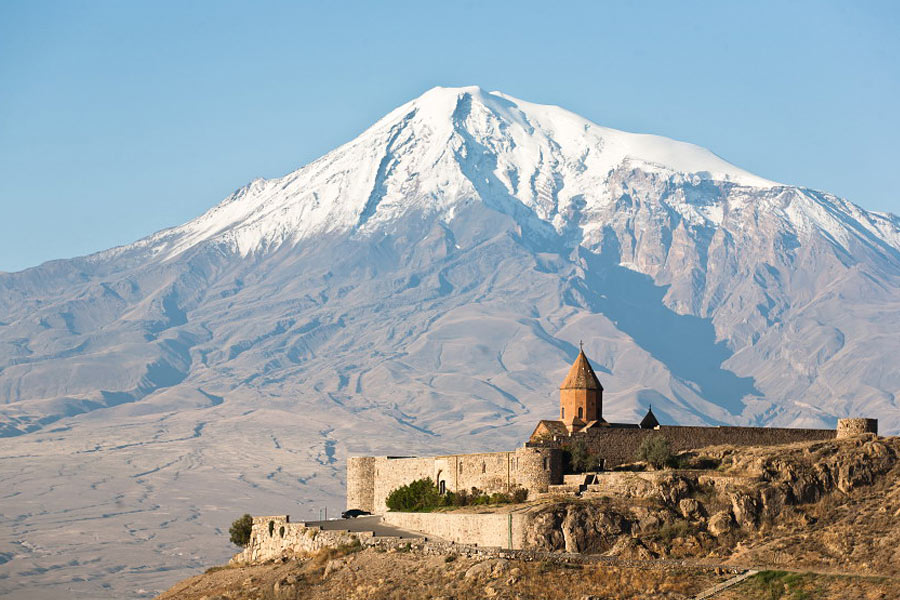

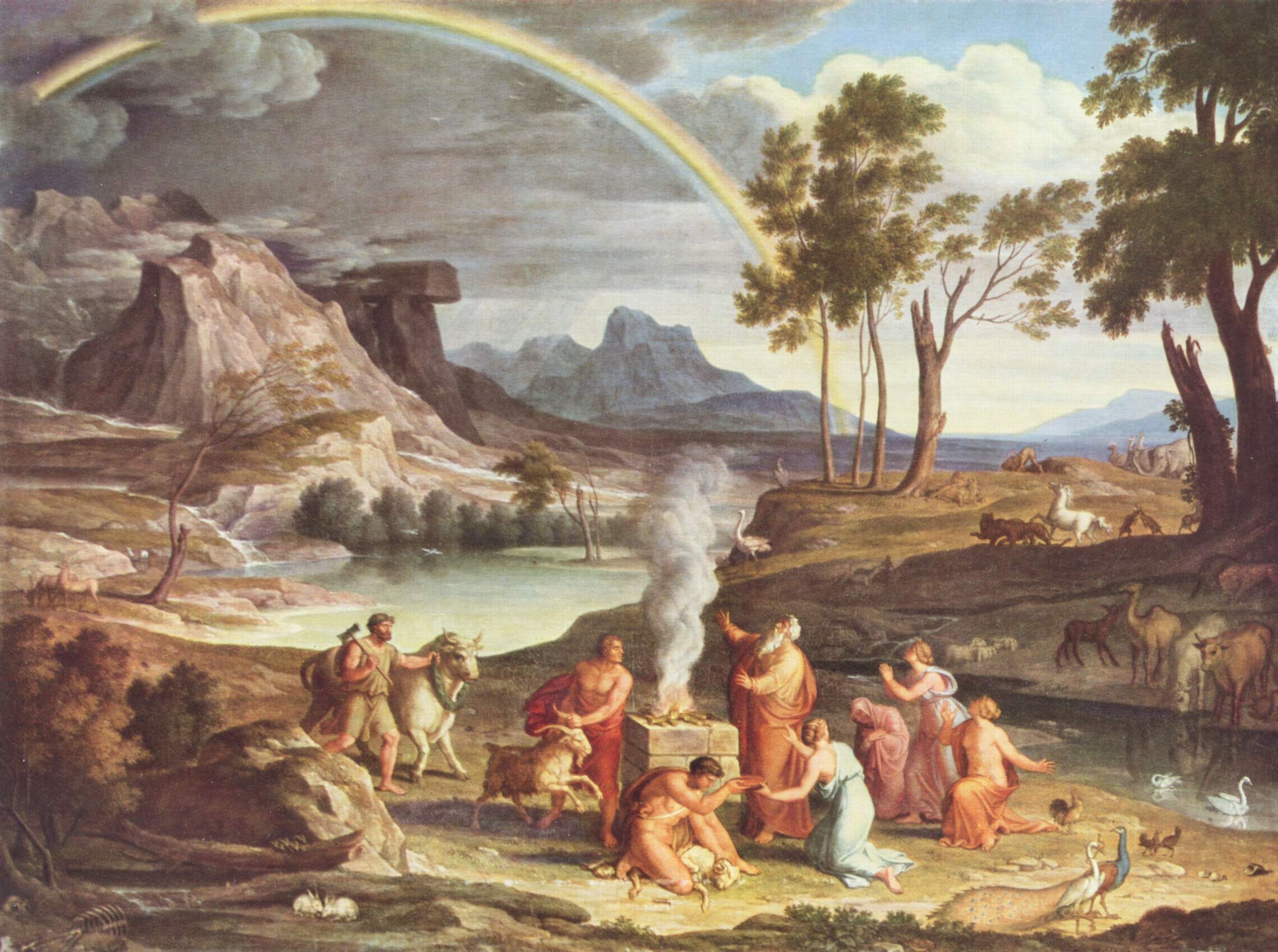
In the Bible, post-flood survival includes Noah's altar-building, God's promise against future global floods, and the repopulation mandate (Genesis 9:1–17). Noah plants a vineyard, highlighting agricultural renewal, but also faces human frailty (e.g., intoxication). For non-Muslims familiar with the Bible, these elements make the Islamic version approachable as a variant within Abrahamic lore, emphasizing ethical lessons over literal historicity.
4. Archaeological and Ancient Near Eastern Evidence
4.1 Mesopotamian Flood Traditions
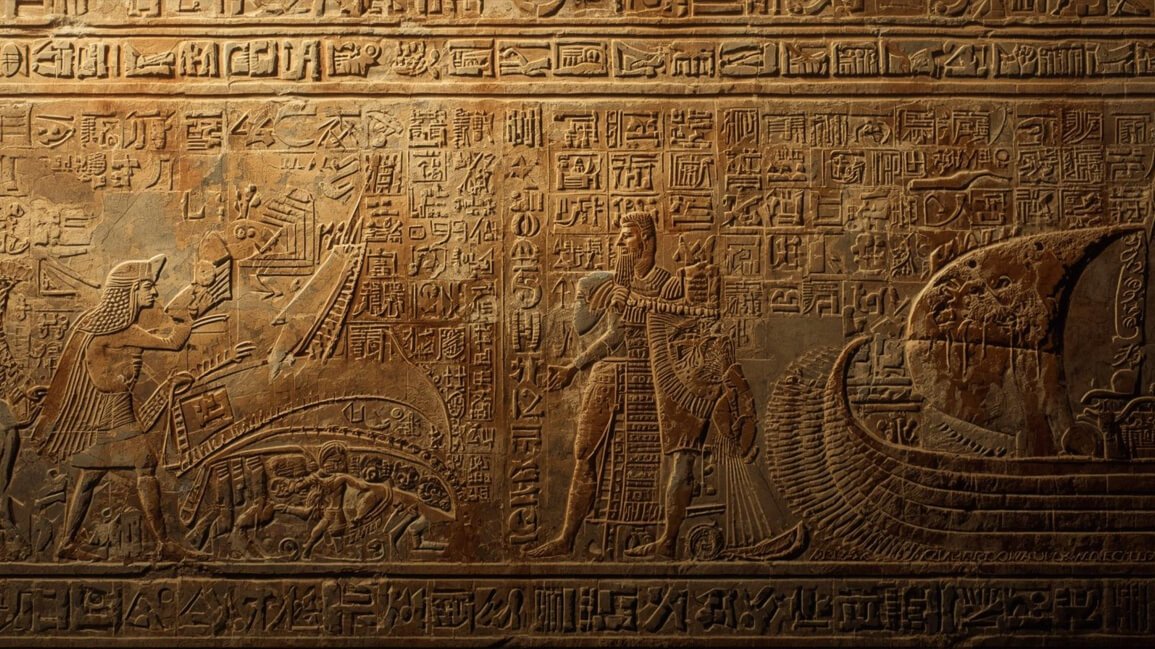
Archaeological discoveries reveal flood myths predating both Qur’anic and Biblical texts. The Epic of Gilgamesh (c. 2100–1200 BCE), unearthed in Nineveh, features Utnapishtim—a Noah-like figure—warned by the god Ea to build a boat, save life, and survive a deluge. Similarly, the Atrahasis Epic (c. 1800 BCE) describes divine frustration with humanity leading to a flood, with a survivor preserving seeds and animals. These clay tablets, excavated in the 19th century by Austen Henry Layard and others, suggest a shared Mesopotamian origin, possibly influencing later religious narratives.

4.2 Geological Findings
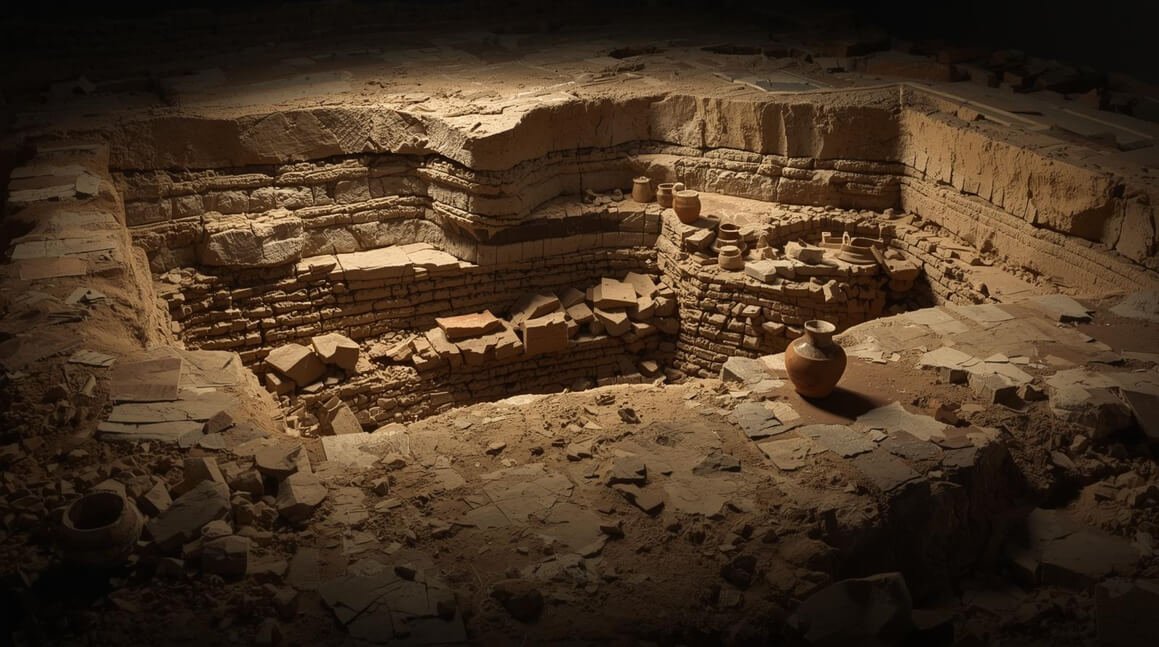
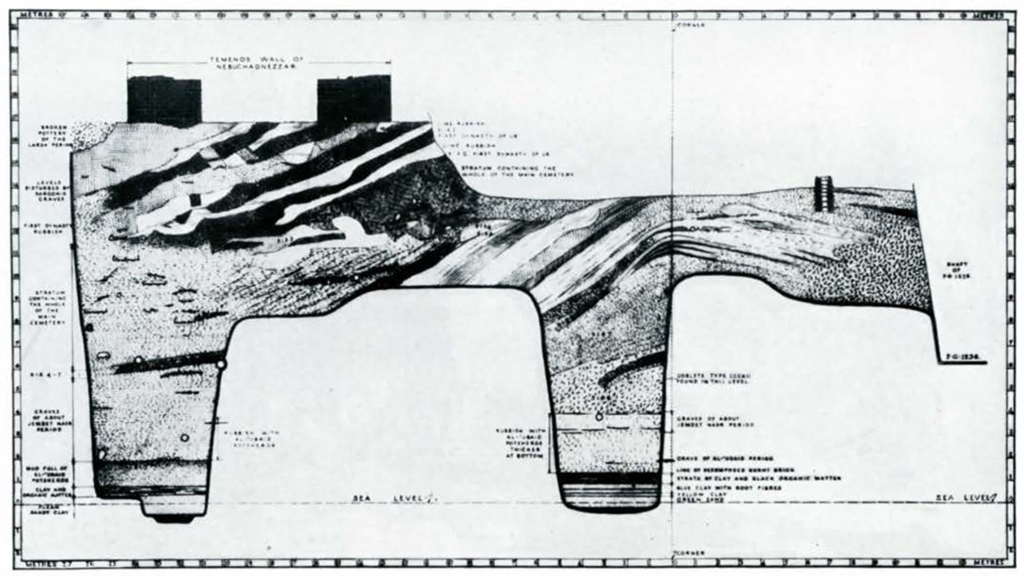
Evidence from sites like Ur (excavated by Leonard Woolley in the 1920s) includes thick silt layers (up to 3 meters) dated to c. 2900 BCE, indicating massive flooding in the Euphrates-Tigris basin. Similar deposits at Kish and Shuruppak point to regional catastrophes disrupting Sumerian civilizations. Geologists link these to melting glaciers or monsoon shifts post-Ice Age.
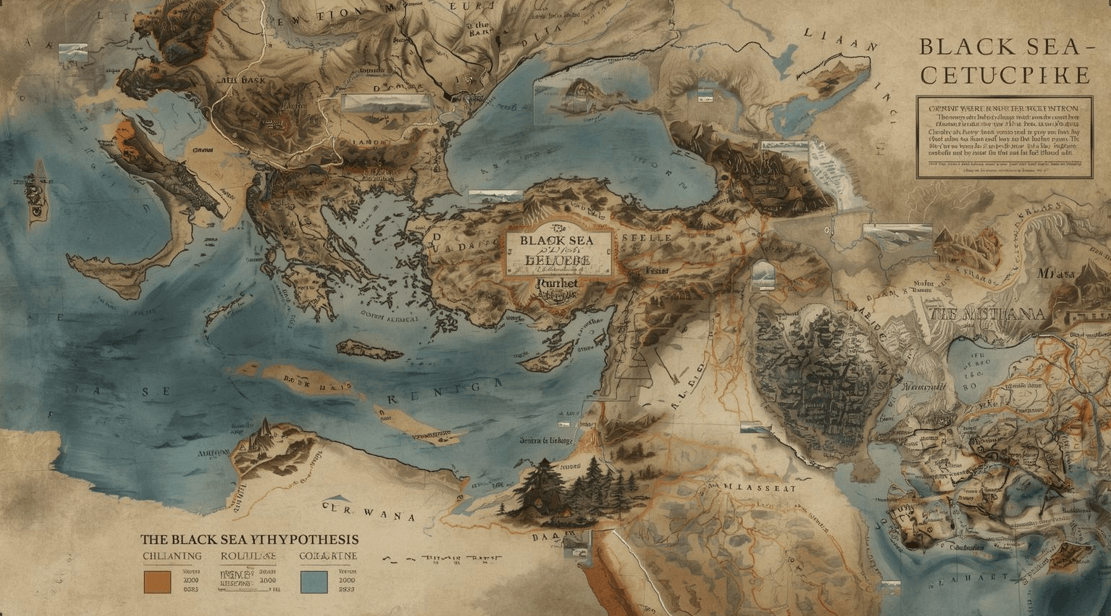
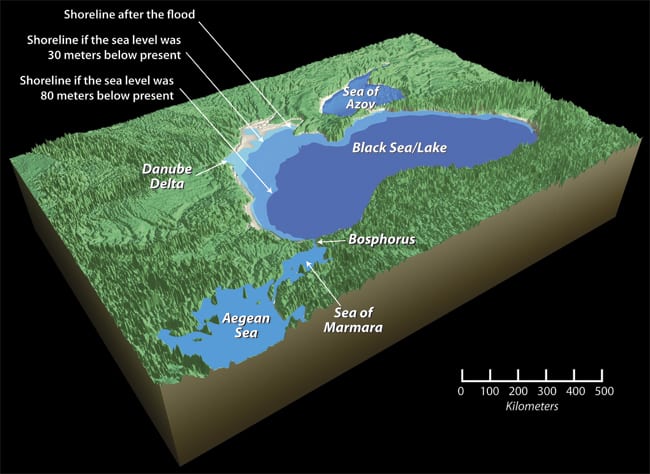
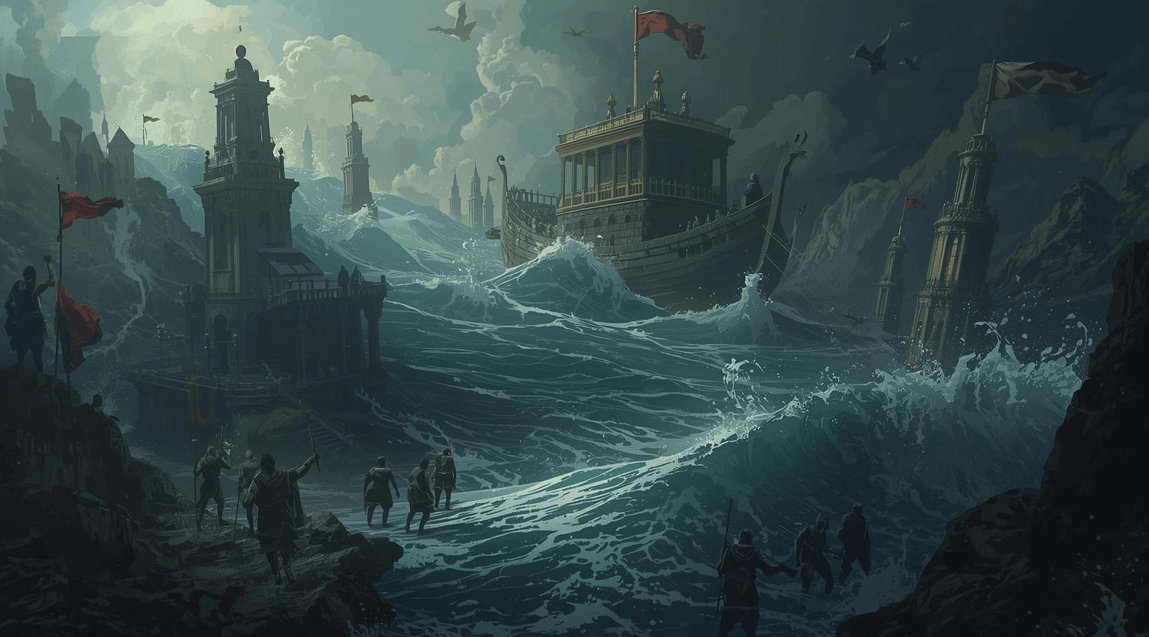
Modern theories, such as the Black Sea deluge hypothesis (proposed by William Ryan and Walter Pitman in 1997), suggest a catastrophic inundation around 5600 BCE, flooding the Black Sea basin and displacing populations. While not proving a global flood and remaining debated, these findings lend plausibility to a localized event amplified in oral traditions, explaining Nūḥ/Noah's survival as effective leadership amid disaster.
5. Non-Muslim Interpretative Frameworks
Non-Muslims often view Nuh's survival through secular lenses:
5.1 Historical Interpretation
As a real regional flood survivor, Noah embodies adaptive strategies like boat-building and resource management, supported by Mesopotamian artifacts.
5.2 Symbolic Interpretation
The Ark represents human ingenuity; survival signifies rebirth after societal collapse, akin to modern climate disaster metaphors.
5.3 Comparative Religious Interpretation
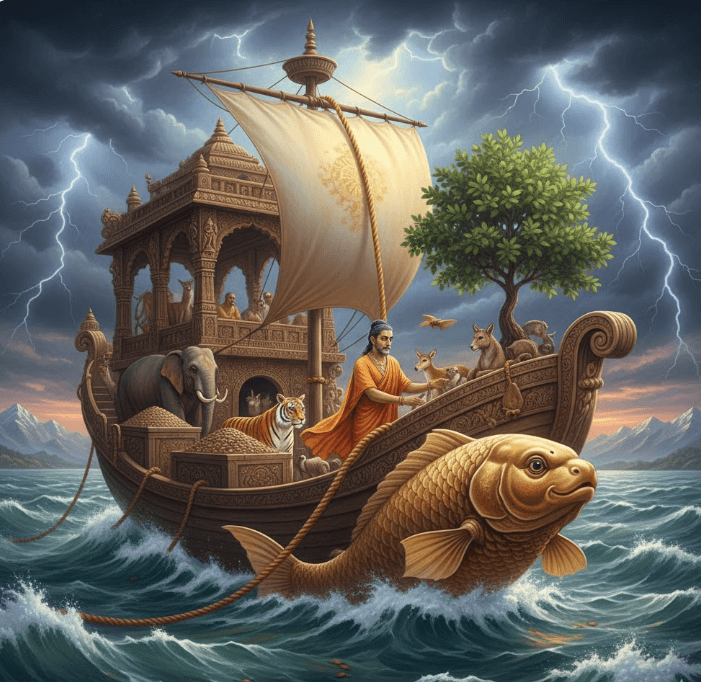
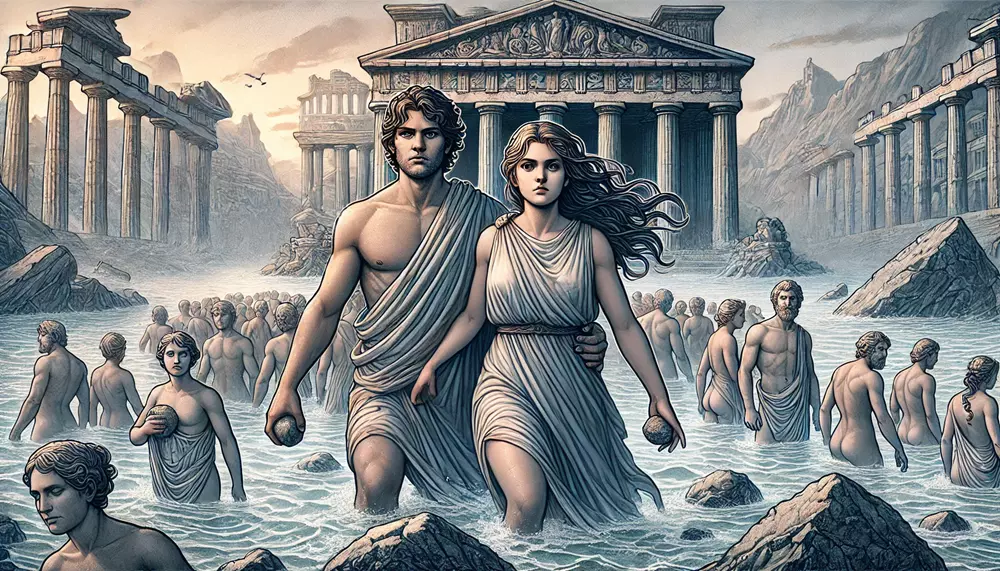
Parallels with Hindu (Manu) or Greek (Deucalion) floods highlight universal themes of justice and renewal. Islamic theology invites such reflections without mandating faith.
6. Why the Islamic Explanation Remains Relevant to Non-Muslims
Beyond theology, the Islamic account offers practical insights: it promotes preparedness (e.g., heeding warnings), moral accountability, and sustainable recovery. Aligning with archaeological evidence, it fits ancient Near Eastern contexts and encourages leadership in crises—valuable for environmental discussions today. Non-Muslims can engage without conversion, gaining wisdom on resilience.
7. Conclusion
For Muslims, Nuh's survival affirms divine providence. For non-Muslims, it is a multifaceted narrative—historical, symbolic, and culturally resonant—interwoven with Biblical texts and archaeological data. This shared story addresses timeless queries on catastrophe, survival, and renewal, fostering cross-cultural understanding in an interconnected world.

Share Your Reflections
In today's world of climate challenges and natural disasters, what practical lessons can we draw from Nuh/Noah's story of preparedness and renewal?
share in the comments to inspire others.
Comments will appear here after moderation.