
Hazrat Ibrahim (Abraham) (عليه السلام) in Islam, Judaism, and Christianity
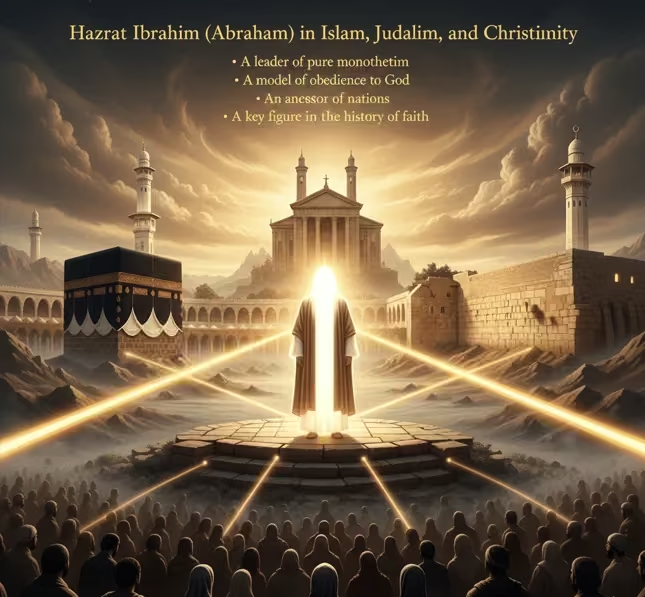
Hazrat Ibrahim (A.S.) is one of the few figures deeply respected in all three Abrahamic religions.
He is seen as:
- A leader of pure monotheism
- A model of obedience to God
- An ancestor of nations
- A key figure in the history of faith
But each religion highlights different aspects of his life.
1. Islam: Hazrat Ibrahim (A.S.)
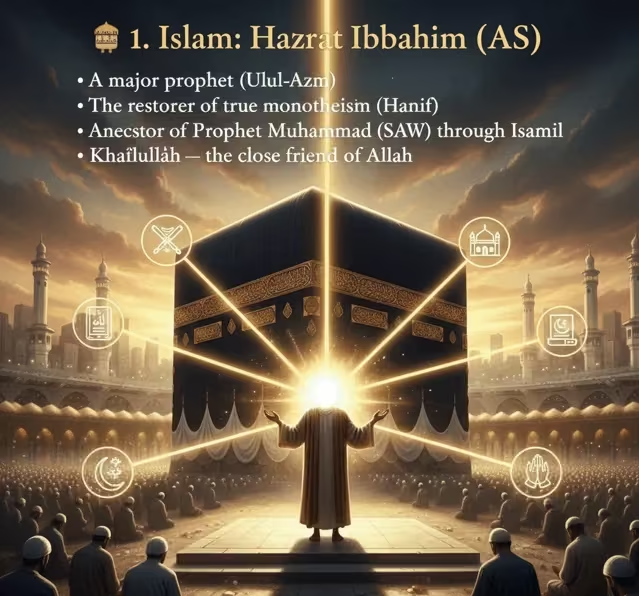
Islam describes Ibrahim (A.S.) as:
- A major prophet (Ulul-Azm)
- The restorer of true monotheism (Hanif)
- Builder of the Kaaba with Ismail (A.S.)
- Ancestor of Prophet Muhammad (SAW) through Ismail (A.S.)
- Khalilullah — the close friend of Allah
Key Islamic Themes
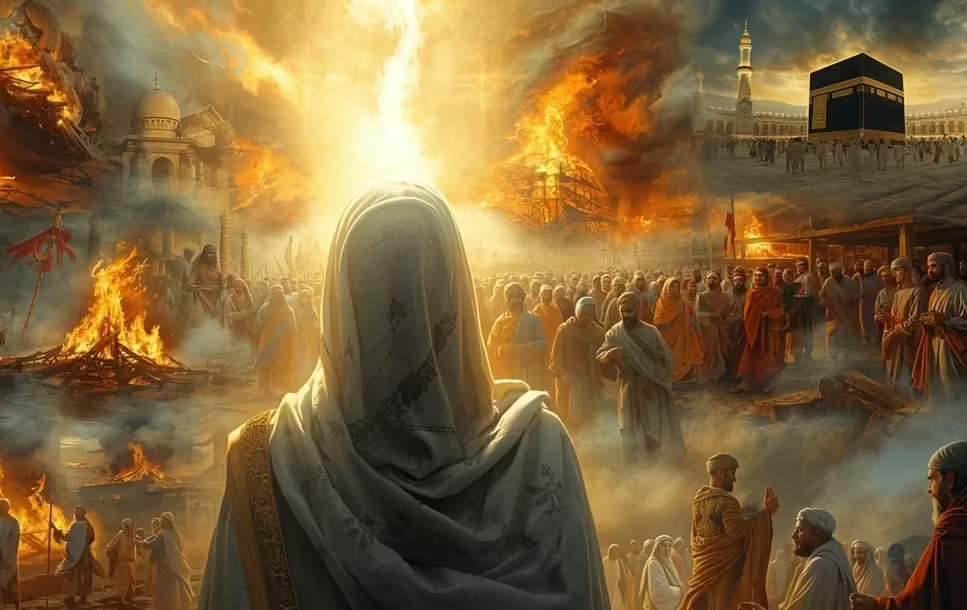
- Destroying the idols — Ibrahim (A.S.) breaks the idols of his people to prove their powerlessness.
- Miracle of the fire — When thrown into a huge fire, Allah saves him.
- Sacrifice of his son — Allah commands him to sacrifice his son (Ismail (A.S.) in Islamic tradition). This event is honored during Eid al-Adha.
- Building the Kaaba — Ibrahim (A.S.) and Ismail (A.S.) build the Kaaba in Makkah and establish rituals of Hajj.
- Dua for future generations — He prays for a nation that will worship only Allah.
Importance in Islam
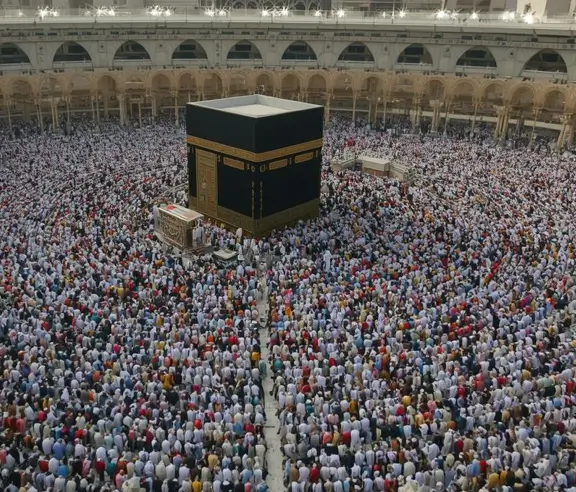
- Father of the Muslim Ummah
- Symbol of perfect submission (Islam)
- Many Islamic rituals come from his life (Hajj, Qurbani)
- Seen as the ideal example of Tawhid (monotheism)
2. Judaism: Abraham (A.S.)
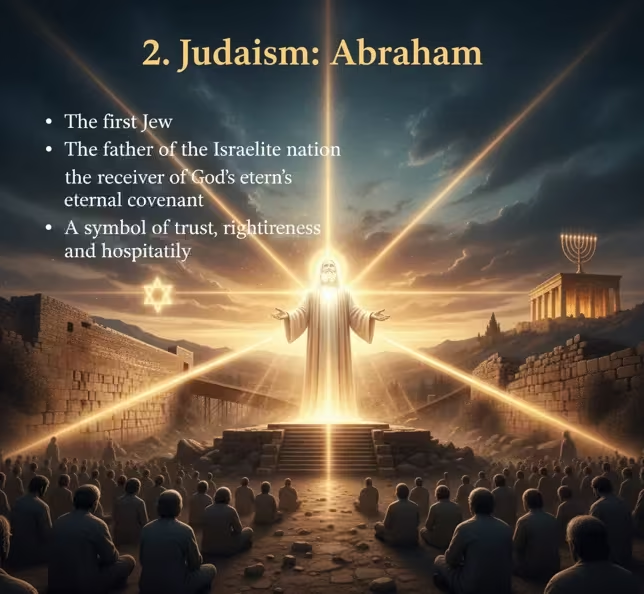
In Judaism, Abraham (A.S.) is:
- The first Jew
- The father of the Israelite nation
- The receiver of God’s eternal covenant
- A symbol of trust, righteousness, and hospitality
Key Jewish Themes
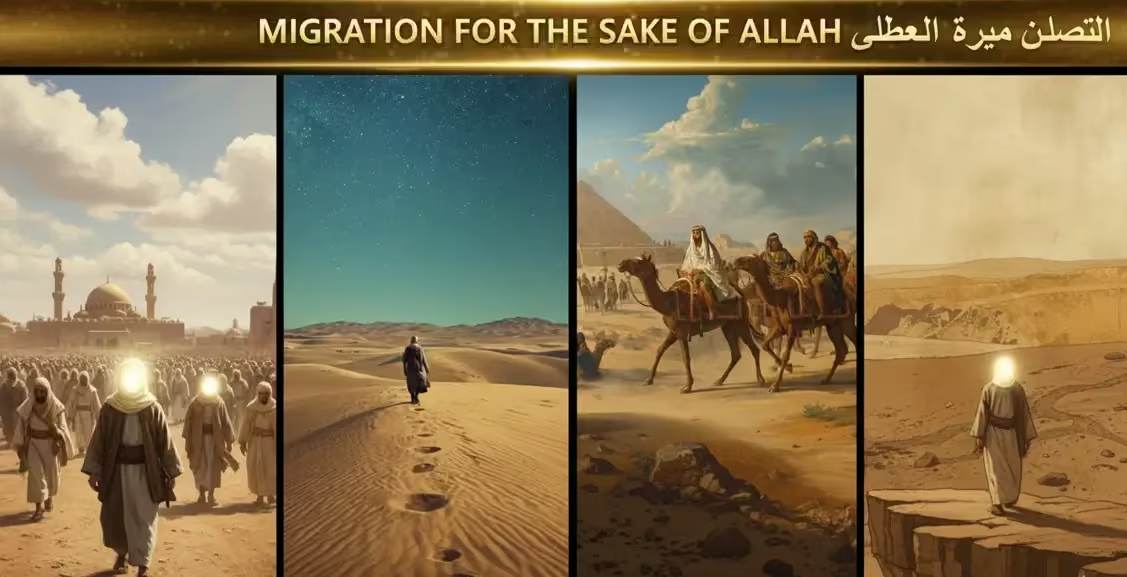
- Call to Canaan — God tells Abraham (A.S.) to leave his homeland and go to the Promised Land.
- Covenant with God — Circumcision becomes the sign of the covenant.
- Promise of Isaac (A.S.) — Isaac (A.S.) is born through Sarah (رضي الله عنها) and becomes the ancestor of the Jewish people.
- Binding of Isaac (A.S.) (Akedah) — God tests Abraham(A.S.) by asking him to sacrifice Isaac (A.S.); God stops him at the last moment.
Importance in Judaism
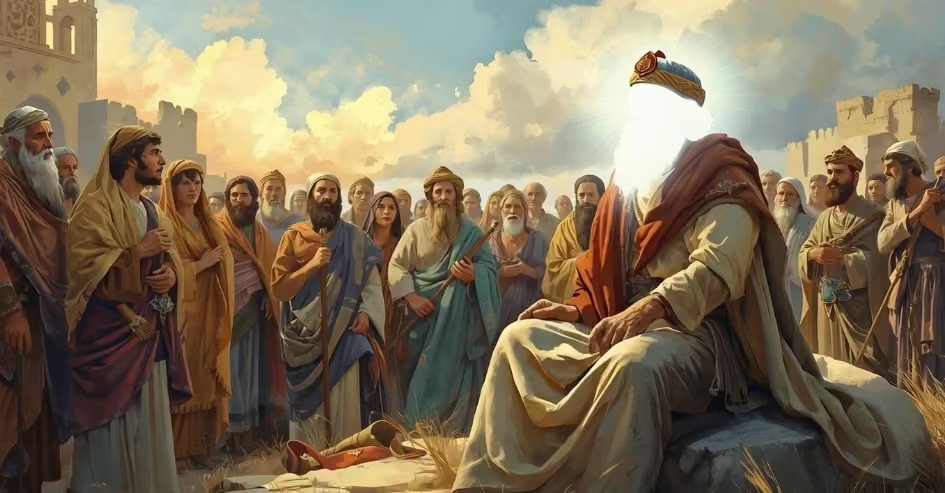
- Founder of the Jewish nation
- Source of the covenant between God and the Israelites
- Model of faithfulness and obedience
3. Christianity: Abraham (A.S.)
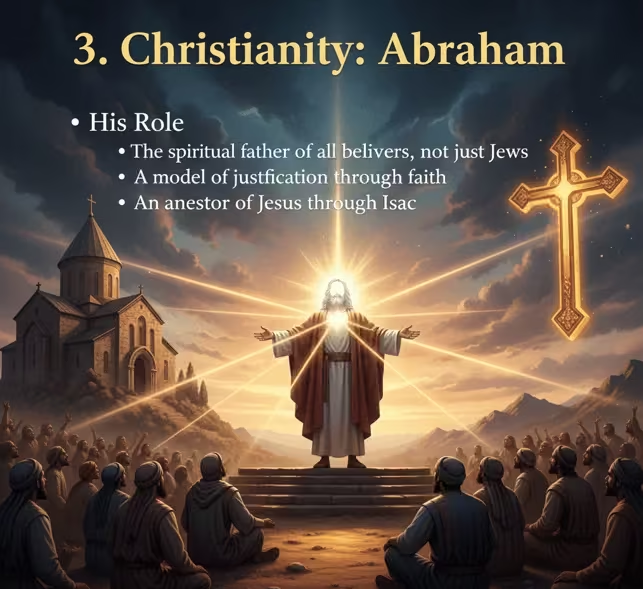
Christianity sees Abraham (A.S.) as:
- The spiritual father of all believers, not just Jews
- A model of justification through faith
- An ancestor of Jesus through Isaac
Key Christian Themes
- Faith makes Abraham righteous — The New Testament teaches that Abraham’s faith — not rituals — made him righteous.
- Promise fulfilled in Jesus — Christians believe that Jesus fulfills God’s promise to bless all nations through Abraham’s (A.S.) descendants.
- Sacrifice of Isaac (A.S.) — This is seen as a “foreshadowing” of God sacrificing Jesus.
Importance in Christianity
- Symbol of faith for all Christians
- Example that salvation comes through belief
- Key figure in Jesus’s genealogy
Major Similarities & Differences
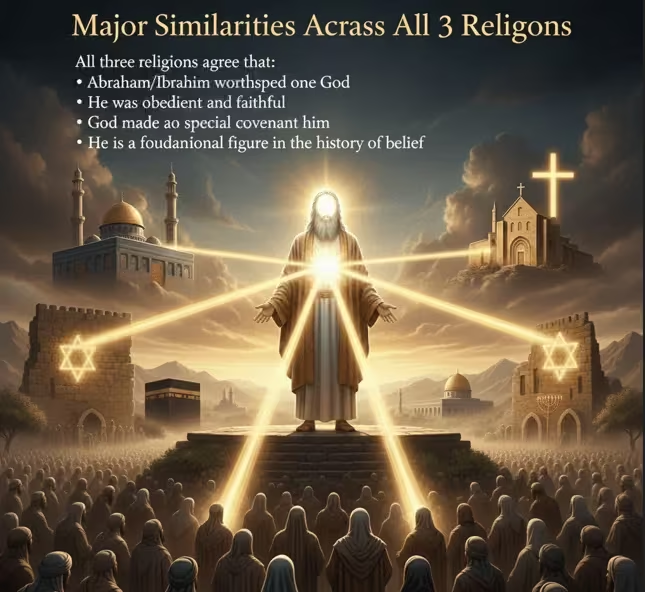
Major Similarities Across All 3 Religions
- Abraham/Ibrahim worshipped one God
- He was obedient and faithful
- God made a special covenant with him
- He is a foundational figure in the history of belief
Major Differences
| Topic | Islam | Judaism | Christianity |
| His status | Prophet | Patriarch | Patriarch |
| Which son was to be sacrificed | Ismail (A.S.) | Isaac (A.S.) | Isaac (A.S.) |
| Connection to Mecca | Built Kaaba; origin of Hajj | Not mentioned | Not mentioned |
| Lineage importance | Ismail (A.S.) → Muhammad (SAW) | Isaac (A.S.) → Jacob (A.S.) → 12 tribes | Isaac (A.S.) → lineage leading to Jesus |
| Meaning of covenant | Universal message of monotheism | National covenant with Israel | Spiritual covenant through Jesus |
Summary
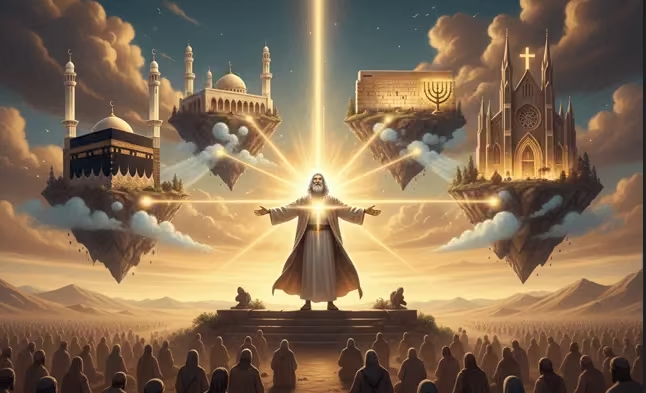
Hazrat Ibrahim (A.S.) is:
- In Islam: a prophet (A.S.), founder of the Kaaba, father of the Ummah
- In Judaism: ancestor of the Jewish people, holder of the covenant
- In Christianity: father of faith and ancestor of Jesus
All three religions deeply honor him but emphasize different parts of his story.