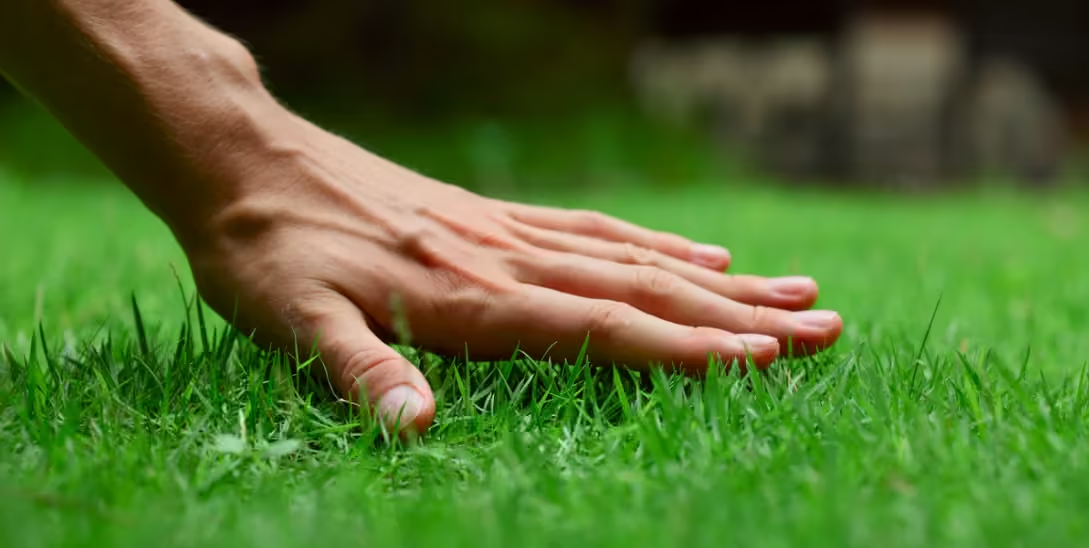
First Part
Introduction
Grasses are small green plants that grow close to the ground and cover large areas of the Earth’s surface, such as fields, lawns, parks, and natural grasslands. Although they appear simple, grasses are among the most important plants on our planet. They grow quickly, are low-cost, and play a vital role in protecting soil, improving air quality, conserving water, and supporting many forms of life. Because grasses are easy to grow and maintain, they offer a simple and effective way for individuals to contribute to environmental protection. By planting, protecting, and caring for ground grasses, we can each help create a healthier and more sustainable environment for our planet.🌱
🌱🌍Why Grasses Are Essential for Cleaner Air🌱🌍
Grasses play a vital role in keeping the air clean and healthy, even though they are often overlooked. One of the most important ways grasses improve air quality is through photosynthesis. Grasses absorb carbon dioxide from the atmosphere and release oxygen, which is essential for human and animal life. Large grassy areas such as grasslands, parks, and lawns help reduce the amount of carbon dioxide in the air, thereby slowing climate change and improving overall air quality.
Another way grasses clean the air is by trapping dust and harmful particles. The thin blades of grass act like natural filters that capture dust, smoke, and pollutants from vehicles, industries, and construction activities. For example, grassy areas along roadsides and in cities reduce the amount of dust that becomes airborne, making the air easier and safer to breathe, especially for children and elderly people.
Grasses also help lower air pollution by reducing heat. Concrete and asphalt absorb and store heat, which increases air temperature and worsens pollution. In contrast, grass-covered areas stay cooler by releasing moisture into the air. This cooling effect reduces the formation of ground-level ozone, a harmful air pollutant commonly found in hot urban environments.
In addition, healthy grasses reduce wind speed near the ground, which helps prevent dust storms and the spread of polluted air. In agricultural and dry regions, grass cover keeps soil from turning into dust that can travel long distances and damage air quality in nearby towns and cities.
In summary, grasses are essential for cleaner air because they absorb carbon dioxide, release oxygen, trap pollutants, cool the environment, and prevent dust from entering the atmosphere. Protecting and expanding grassy areas is a simple yet powerful way to improve air quality and create a healthier environment for everyone.
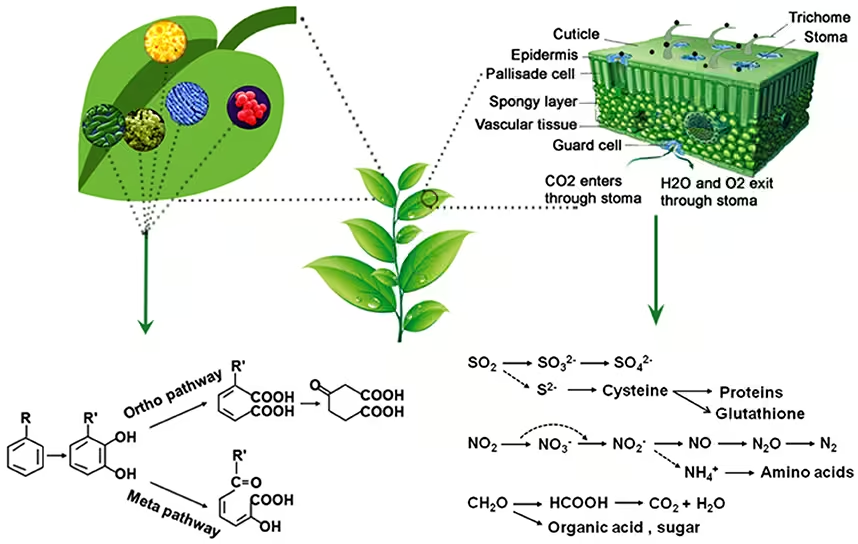
🌱 “Grasses trap dust and pollutants, acting as natural air filters in the environment.”🌱
Practical Ways You Can Help💡 Protect and Promote Grasses
🍀 Protect existing grass – Avoid walking on it too much.......................
🍀 Avoid excessive chemicals – Reduce pesticides.....................
🍀 Water Grass wisely – Use efficient irrigation......................
🍀 Leave some grass natural – Allow wild patches.....................
🍀 Please Leave Some Grass Natural – A simple step toward a greener, more sustainable landscape...............
🍀 Urban Lawn with Colorful Wildflowers & Pollinators – Where nature thrives in urban spaces................
🍀 How to Plant Grass in Bare or Damaged Soil – Step-by-Step Guide............
🍀 Stop Throwing Away Free Fertiliser – Your Lawn Deserves Better................
🍀Grasscycling – Instant Benefits Right Where You Mow.................
🍀See the Transformation – Return nutrients.................
🍀Composting – Turn Clippings into Black Gold for Your Whole Garden.................
🍀Finished Compost Delivers Incredible Long-Term Rewards – Return nutrients...............
🍀 Why We Should Support Green Spaces – Protect Our Future................
🍀 Educate Others for a Healthy Environment – Protect Our Environment.............
🍀 Conclusion – Our Planet Needs Us Now..............
🍀 Shorter, punchier versions – Grass for Bare Soil...........
🌱🌍Protect existing grass🌱🌍
Healthy grass protects the soil by preventing erosion. Grass roots grow deep and spread widely underground, holding soil particles tightly together. At the same time, grass works as a natural moisturizer for the earth, helping the soil retain water and stay cool. For example, areas covered with grass along roadsides, farms, or riverbanks do not easily wash away during heavy rain because the roots hold the soil and the grass slows down water flow. In contrast, bare land quickly loses soil and moisture, leading to floods, dust storms, dry conditions, and poor land quality.
Grass also improves soil health and fertility. When grass leaves dry and decompose, they turn into organic matter that feeds earthworms and beneficial microorganisms. For example, grasslands and pastures naturally maintain fertile soil without chemical fertilizers, while over-cleared land becomes dry, cracked, and less productive.
Another important role of grass is moisture control. Grass acts like a natural cover that keeps soil cool and reduces water evaporation. For example, lawns, parks, and grass-covered fields remain moist longer after rainfall compared to exposed soil or concrete areas, helping plants survive during hot weather and droughts.
Healthy grass strongly improves air quality. Grass absorbs carbon dioxide from the atmosphere and releases oxygen during photosynthesis. Large grasslands, city parks, and green belts help reduce greenhouse gases and slow climate change by storing carbon in their roots and soil.
Grass also traps dust and air pollutants. The blades of grass catch dust, smoke, and harmful particles before they enter the air we breathe. For example, neighborhoods with green lawns and roadside grass experience less dust pollution than areas surrounded by bare ground or construction zones.
In addition, grass reduces heat and air pollution in cities. Concrete and asphalt absorb heat and raise temperatures, while grass keeps the environment cooler. For example, parks and grassy areas are noticeably cooler than paved streets during summer, reducing the urban heat island effect and improving human comfort and health.
In summary, healthy grass protects soil by preventing erosion, improving fertility, and conserving moisture. At the same time, it protects air by absorbing carbon dioxide, trapping pollutants, and lowering temperatures. Even small grassy areas around homes, schools, and cities make a powerful contribution to a healthier environment and a more sustainable planet.
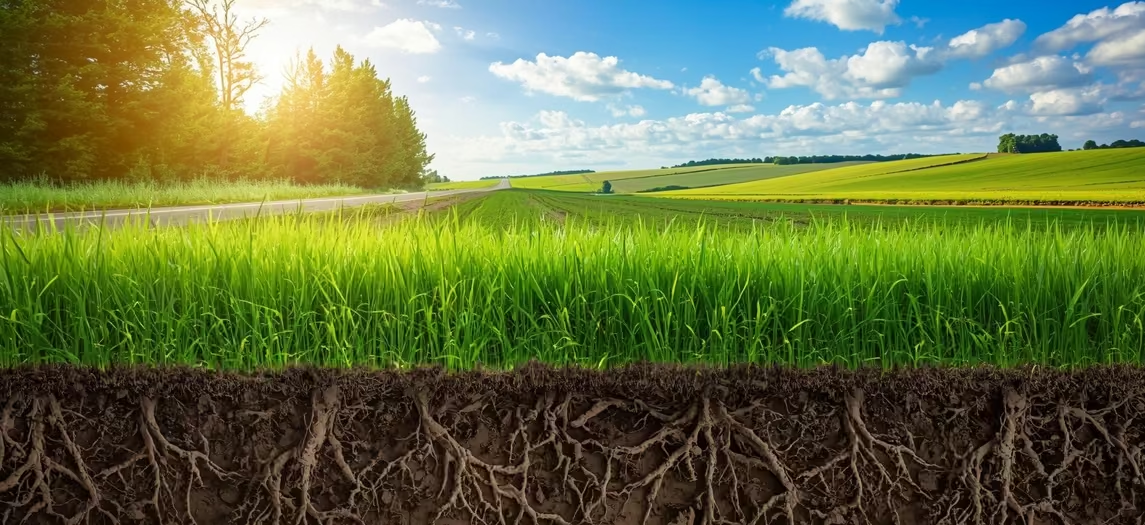
🌱 “Protecting existing grass helps prevent soil erosion and improves air quality.” 🌱
⚠️ Avoid excessive chemicals ⚠️
Using fewer pesticides, herbicides, and chemical fertilizers is essential for a healthy environment. Artificial chemicals may help plants grow quickly, but they come with serious side effects. When chemicals are applied to grass, soil, or crops, they can kill beneficial soil organisms such as earthworms, microbes, and fungi. These organisms are essential for maintaining soil fertility, structure, and natural nutrient cycles. Without them, the soil becomes weak, less productive, and more prone to erosion.
Chemicals also affect human and animal health. Pesticides and herbicides can remain in the soil and water, eventually entering the food chain. People and animals that consume contaminated food or water may face health risks, including skin problems, respiratory issues, and long-term diseases. For example, runoff from farms using chemical fertilizers can pollute rivers and lakes, harming fish and other aquatic life.
In addition, chemicals can damage water sources. Rainwater can wash pesticides and fertilizers into rivers, lakes, and underground water, contaminating drinking water. This not only affects humans but also birds, insects, and other wildlife that rely on clean water for survival.
The best solution is to choose natural or organic alternatives. Compost, manure, and natural pest controls can replace chemicals, keeping plants healthy while protecting the soil, water, and biodiversity. Organic fertilizers improve soil structure and fertility over time, while natural pest management methods like beneficial insects or companion planting control harmful pests without harming the ecosystem.
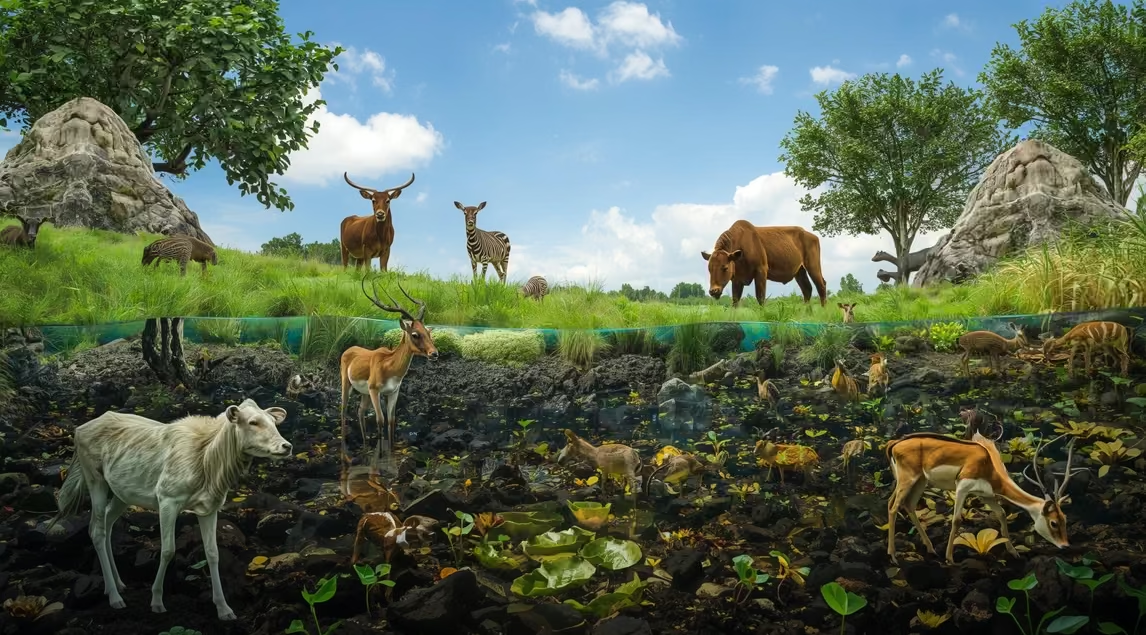
“Reducing chemical use protects soil, water, wildlife, and human health.”
⏱️ Water Grass Wisely
Watering grass correctly is essential for its health and for conserving water, one of our planet’s most precious resources. The best time to water grass is early in the morning or late in the evening, when temperatures are cooler and less water is lost to evaporation. Watering during midday causes much of the water to evaporate before it reaches the roots, wasting water and reducing its effectiveness.
🚿What happens if you overwater:
When grass is watered too much, the roots do not grow deeply because they rely on water at the surface. Shallow roots make the grass weak, less drought-resistant, and more prone to disease. Overwatering also creates waterlogged soil, which can suffocate roots and promote fungal growth. Additionally, excess water can carry fertilizers and pesticides into nearby rivers and lakes, polluting water sources and harming aquatic life.
🚿What happens if you underwater:
If grass is watered too little, it becomes dry, brown, and weak. The roots shrink and cannot absorb enough nutrients from the soil, reducing soil fertility over time. Drought-stressed grass is more likely to be damaged by insects, disease, and high temperatures. Bare, dry patches may also lead to soil erosion, as the unprotected soil is easily washed or blown away.
💧Balanced watering:
Healthy grass only needs enough water to reach its roots—usually about 1–2 inches of water per week, depending on climate and soil type. Watering deeply but less frequently encourages roots to grow deeper, making grass stronger, more drought-resistant, and better at maintaining soil health. By watering wisely, we not only save water but also support a stronger, healthier lawn that benefits the environment.
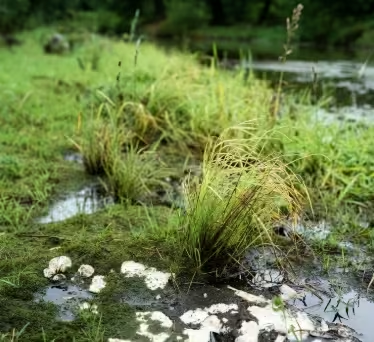
🥀 “Too much water harms grass, soil, and water quality.”
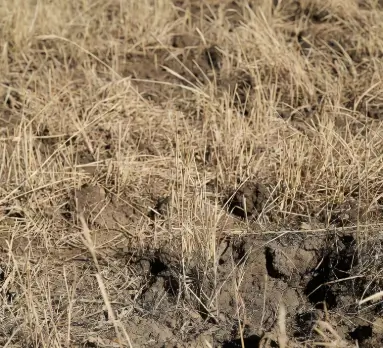
🥀 “Too little water causes dry grass and damaged soil.”