
Article One: Renewal After the Storm – How Prophet Nuh (A.S.) and the Believers Rebuilt Life Post-Flood
Abstract
The Qur’anic narrative of Prophet Nuh (A.S.) extends beyond the Great Flood's devastation to a profound story of hope and revival. After the Ark settled on Mount Judi, the survivors faced a reshaped world. This article delves into their survival and rebuilding, highlighting Allah's sovereign control, foresight in preparation, natural resources, and abundant blessings (barakah). Rooted in the Qur’an and insights from classical scholars, it illustrates how faith, obedience, and divine mercy pave the way for new beginnings.
1. Introduction
The tale of Prophet Nuh (A.S.) stands as one of the most enduring in the Qur’an, symbolizing patience amid rejection and salvation through obedience. While the Flood's destruction often captures attention, the aftermath reveals Allah's wisdom in restoring life. When the Ark came to rest, the earth lay transformed—cleansed yet barren. How did the believers endure and thrive? Islamic teachings portray this as a harmonious blend of Allah's guidance and human effort, offering timeless lessons for overcoming trials.
2. Allah's Command: The Controlled End of the Flood
The Flood concluded not by natural chance, but by Allah's precise decree. The Qur’an vividly captures this:
"And it was said, 'O earth, swallow your water, and O sky, withhold [your rain].' And the water subsided, and the matter was accomplished, and it [the Ark] settled on [the mountain of] Judi. And it was said, 'Away with the wrongdoing people!'" (Surah Hud, 11:44)
This divine intervention ensured a gradual stabilization: waters receded steadily, preventing chaos. Scholars note that such control allowed vegetation to emerge and life to resume safely, underscoring Allah's mercy even in judgment.
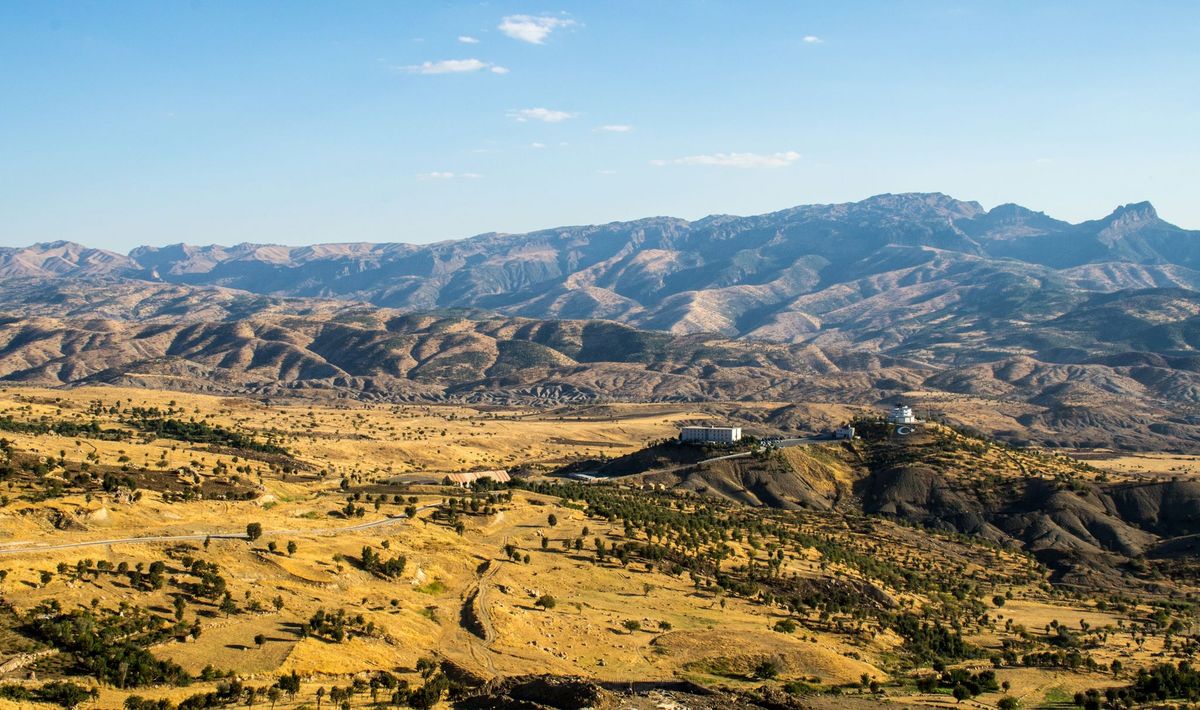
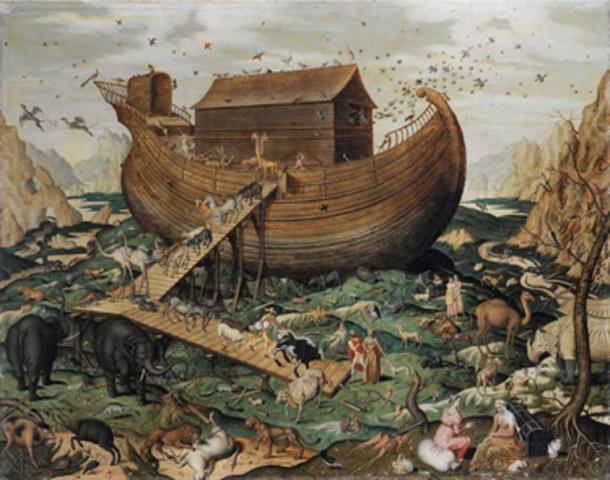
Mount Judi, a majestic peak in southeastern Turkey, served as this sacred resting place—a symbol of elevation above worldly turmoil.
3. Foresight and Provisions Aboard the Ark
Allah's instructions to Prophet Nuh (A.S.) emphasized thorough preparation. Alongside believers and pairs of animals, ample food stores were loaded. Though the Qur’an does not detail specifics, classical commentators infer that grains, dried foods, and essentials sustained them during the Flood and initial post-Flood months.
In a waterlogged landscape unfit for immediate cultivation, these reserves bridged the gap, teaching us the value of planning under divine guidance.
4. Animals: Pillars of Sustenance and Renewal
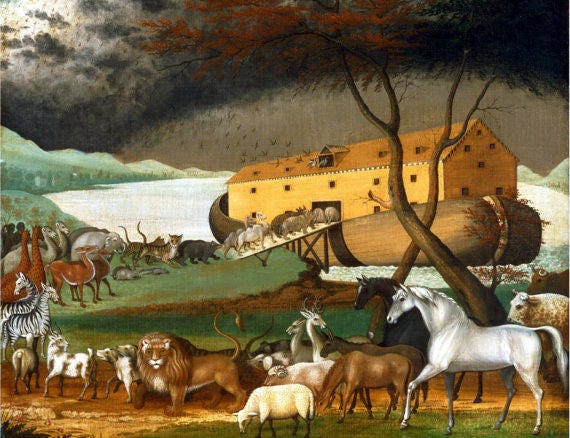
The preserved animals were more than survivors—they formed the foundation of rebirth. Livestock like cattle, sheep, and goats offered:
- Fresh milk for nutrition and strength
- Meat as a sustainable source when required
- Materials like wool, hides, and labor for rebuilding
These creatures multiplied rapidly by Allah's will, restoring herds and enabling trade.

5. The Gradual Revival of Agriculture
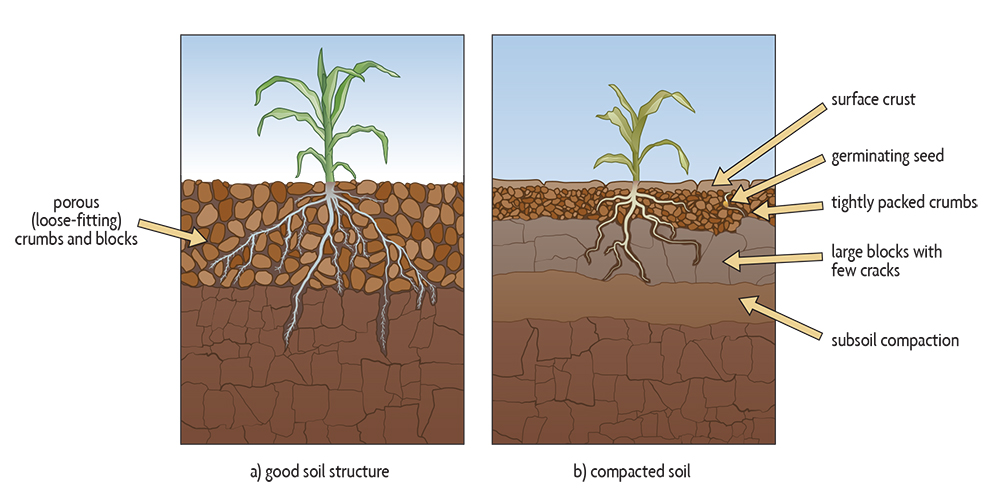
As waters fully retreated, the land revealed enriched silt—fertile deposits ideal for growth. Some scholars suggest seeds survived naturally in the soil or were safeguarded aboard. Prophet Nuh (A.S.) and his followers soon planted crops, marking the shift to settled life. This patient cultivation reflects how Allah turns catastrophe into opportunity.
6. Divine Barakah: The Multiplier of Resources
Beyond material means, survival hinged on Allah's blessings:
"And it was said, 'O Nuh, disembark with peace from Us and blessings upon you and upon nations [descending] from those with you...'" (Surah Hud, 11:48)
Barakah amplified limited supplies, granted health, and ensured prosperity for descendants. In Islamic understanding, it protects and multiplies, turning scarcity into abundance.

7. From Temporary Refuge to Widespread Settlement
Mount Judi provided initial safety—a high ground for recovery. It was not permanent; once valleys dried and paths cleared, the believers descended and spread, repopulating regions.


8. Conclusion: Lessons for Today
The post-Flood era of Prophet Nuh (A.S.) exemplifies divine planning intertwined with human responsibility. Through controlled restoration, stored provisions, animal resources, renewed farming, and overflowing barakah, humanity received a second chance.
This narrative inspires us: In personal "floods"—crises of loss or despair—combine preparation and effort with unwavering tawakkul (trust in Allah). As believers, we emerge stronger, reminded that after every trial comes ease and renewal. May we embody this resilience, seeking Allah's blessings in all endeavors.
Share Your Reflections
What trials have you faced that felt like a flood? Reflect on how reliance on Allah brought renewal—share in the comments to inspire others.
Comments will appear here after moderation.